

Charlotte is growing quickly. More people are moving into the city for work, family, and new opportunities. For local churches, this creates a unique moment: more people are looking for connection, belonging, and a place to build community.
The question isn't whether your church wants to grow. That's part of your mission. The real question is: Is your church prepared to welcome and serve more people well?
Whether your church already feels full on Sundays or attracting new visitors has been more challenging than expected, preparing now makes it easier to welcome newcomers and support the long-term health of your congregation. Small decisions today about hospitality, communication, space, and systems can shape your church's ability to welcome new families for years to come.
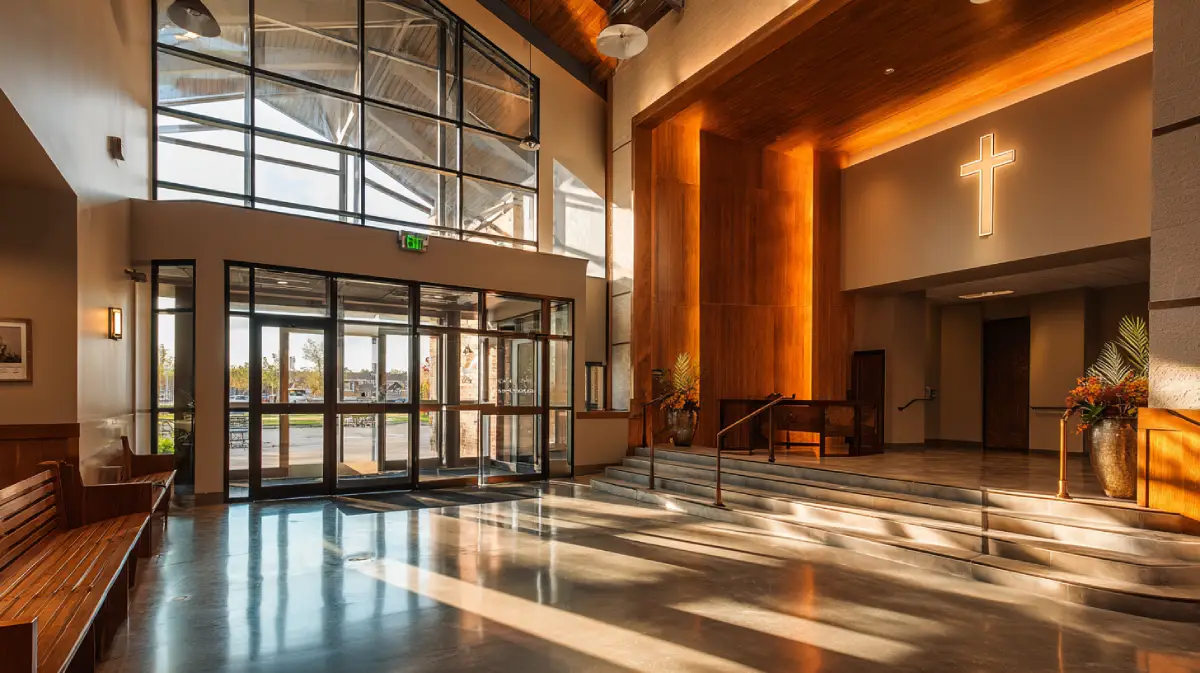
Strengthening the first-time guest experience
When cities grow, one of the first areas where churches feel the change is on Sunday mornings, when new families, young professionals, and neighbors from across the city walk through the doors for the first time. That first impression matters more than ever.
Churches experiencing rapid growth often discover bottlenecks they didn't anticipate. Systems that worked well for years (kids' check-in, parking flow, lobby traffic) can suddenly become pain points when attendance increases. Small infrastructure decisions made years ago start affecting the Sunday morning experience in ways that create unnecessary friction.
A warm, well-organized welcome helps someone unfamiliar with your building feel like they've found a place to belong. Consider how to make that first Sunday feel effortless:
- Clear, easy-to-follow signage (inside and outside) so visitors can find what they need without stress.
- Friendly greeters positioned to guide guests through the building and answer simple questions quickly.
- Parking and entry patterns that reduce confusion during busy service times.
- Check-in systems that work smoothly even when attendance spikes.
- A simple, thoughtful follow-up process that helps people take their next step after their first visit.
Intentional hospitality creates more than good organization. It builds connection. When someone new feels grounded and genuinely welcomed, they're far more likely to come back and begin forming relationships that last.
Preparing ministry areas for increased attendance
As more people get connected, ministry areas often feel the shift next, especially those serving kids, students, and small groups.
When attendance grows, the needs of various ministry areas grow with it. Churches may benefit from assessing:
- Kids ministry ratios and room capacity
- Volunteer recruitment and training processes
- Small group structures and midweek gatherings
- Whether additional service times may eventually be needed
- Audio systems that ensure every child can hear clearly in busy classrooms
- Visual displays that support engaging children's teaching
These decisions set a foundation for healthy, sustainable growth. The goal isn't perfection — it's readiness. Small adjustments now prevent scrambling later when your ministry areas are already stretched.
Ensuring communication is clear and consistent
As engagement increases, clear communication becomes even more essential for helping people take their next steps with confidence.
This is where reliable technology matters most. When church sound systems work smoothly, every word of Scripture and teaching is heard with clarity. When screens display lyrics and announcements without glitches, people can focus on worship rather than technical distractions. When livestreams introduce new families to your church before they ever visit in person, you're extending your welcome beyond your building.
Clear communication helps new and returning families feel confident, welcomed, and prepared:
- A website that's accurate, up to date, and easy to navigate for visitors
- Sunday morning announcements that communicate next steps with clarity
- Clear pathways for things like baptism, membership, small groups, or serving
- Consistent weekly communication that keeps the congregation informed without overwhelming them
- Volunteer-friendly technology that gives teams confidence on Sunday mornings
When people understand what's happening and how they can get connected, they feel more anchored. This is especially true for those who are visiting for the first time or discerning if this is their new church home.
Thinking ahead about physical space
Physical space shapes how people experience church long before the first song begins. In seasons of growth, many congregations begin to feel the squeeze on Sunday mornings. A full parking lot, crowded hallway, or cramped kids' room can send an unintended message: there's no room for me here.
To stay ready for growth, it helps to regularly review practical details such as:
- Seating capacity in the worship center or sanctuary.
- Overflow or lobby viewing spaces for busy Sundays and holidays. Audio and video systems should ensure overflow spaces feel connected to worship, not like an afterthought.
- Kids ministry environments: safety, capacity, check-in flow, and audio quality that supports engaging teaching.
- Student ministry gathering areas for midweek events.
- Accessibility for older adults, families with strollers, and those with mobility needs.
- Parking and traffic flow during peak service times.
Small facility improvements now can make a big difference later. By thinking ahead, you make space not just for people to attend, but for them to belong.
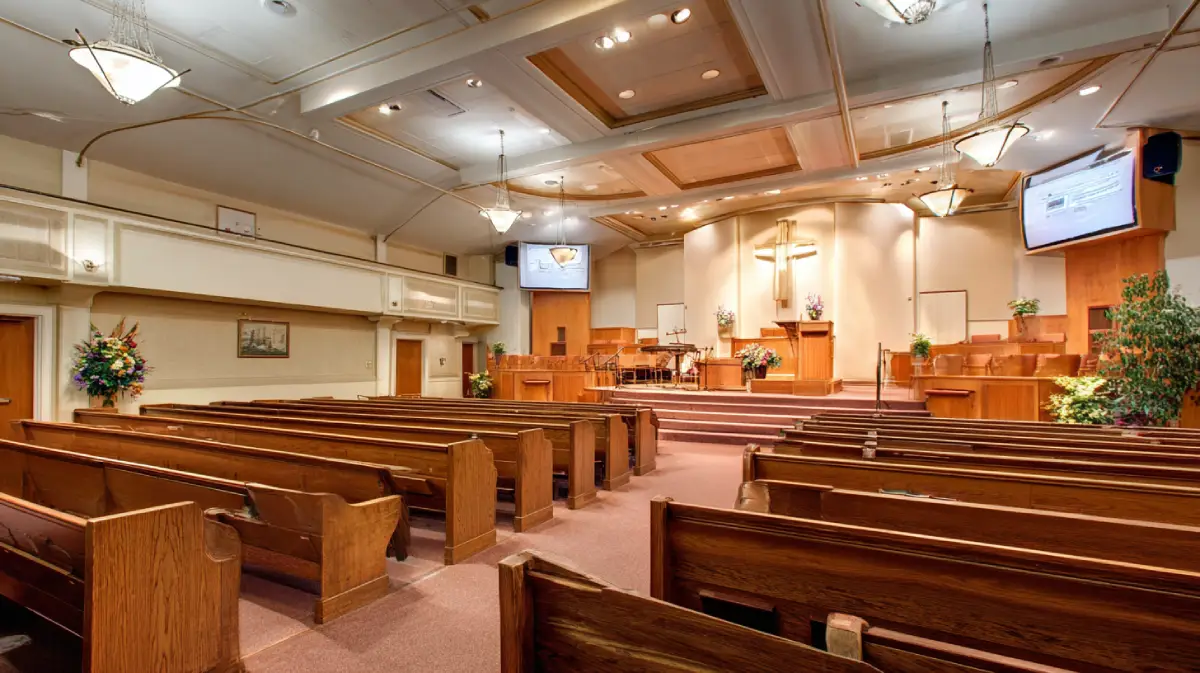
Technology that supports the mission
In growing churches, technology helps people connect. It doesn't replace ministry — it serves it. The goal isn't complicated tech; it's dependable systems that free your team to focus on people, not equipment troubleshooting.
As churches grow, commercial-grade equipment becomes essential. Consumer systems that work fine in homes aren't built for the constant use, multiple operators, and reliability demands that churches require.
Stable, easy-to-use systems free volunteers to serve with joy and help pastors lead without distraction. Churches preparing for growth may want to assess:
- Audio systems that deliver clear, reliable sound so every word is heard, even as attendance increases
- Screens and displays that support lyrics, visuals, and announcements without technical hiccups
- A dependable livestream that welcomes new families before they visit in person
- Volunteer-friendly controls that give teams confidence, not stress, on Sunday mornings
- Systems designed to scale as your congregation grows
When technology works reliably, the focus stays on what matters: worship, teaching, and community. That's the kind of environment where ministry thrives week after week.
Questions to consider as you prepare for 2026
- If more families visit next year, are our systems ready to support them?
- Would newcomers understand where to go on a Sunday morning?
- Are our volunteer teams equipped for growth?
- Do our spaces feel welcoming and accessible?
- Can our technology scale with us, or will it become a bottleneck?
- What small improvements today would ease pressure during future busy seasons?
These questions help church leaders think proactively about the year ahead.
Preparing now for the growth you're praying for
Charlotte's growth presents a unique moment for local churches: a chance to welcome new neighbors, strengthen community, and prepare for the future with purpose. The churches that thrive won't be the ones that react to growth as it overwhelms them. They'll be the ones that prepare thoughtfully, making small strategic improvements now that compound into significant capacity later.
With intentional planning across hospitality, communication, space, and systems, your church can create an environment where people feel welcomed and at home, not just on their first Sunday, but every Sunday after.
At RYGID AV, we partner with churches across Charlotte to design church AV solutions that make Sundays smoother and more impactful. Whether your church is updating equipment, planning for future growth, or thinking strategically about 2026, we're here to help you prepare with clarity and care.
Ready to prepare your church for growth? Contact RYGID AV for a consultation. We'll help you assess your current systems and identify strategic improvements that position your church to welcome more people well.
RYGID AV | 122 Backstretch Ln., Mooresville, NC 28117
(980) 263-9194 | info@rygidav.com
.webp)
Recommended articles
Explore our latest news & articles below


Where to Contact + Connect with RYGID AV
Mooresville, NC 28117