
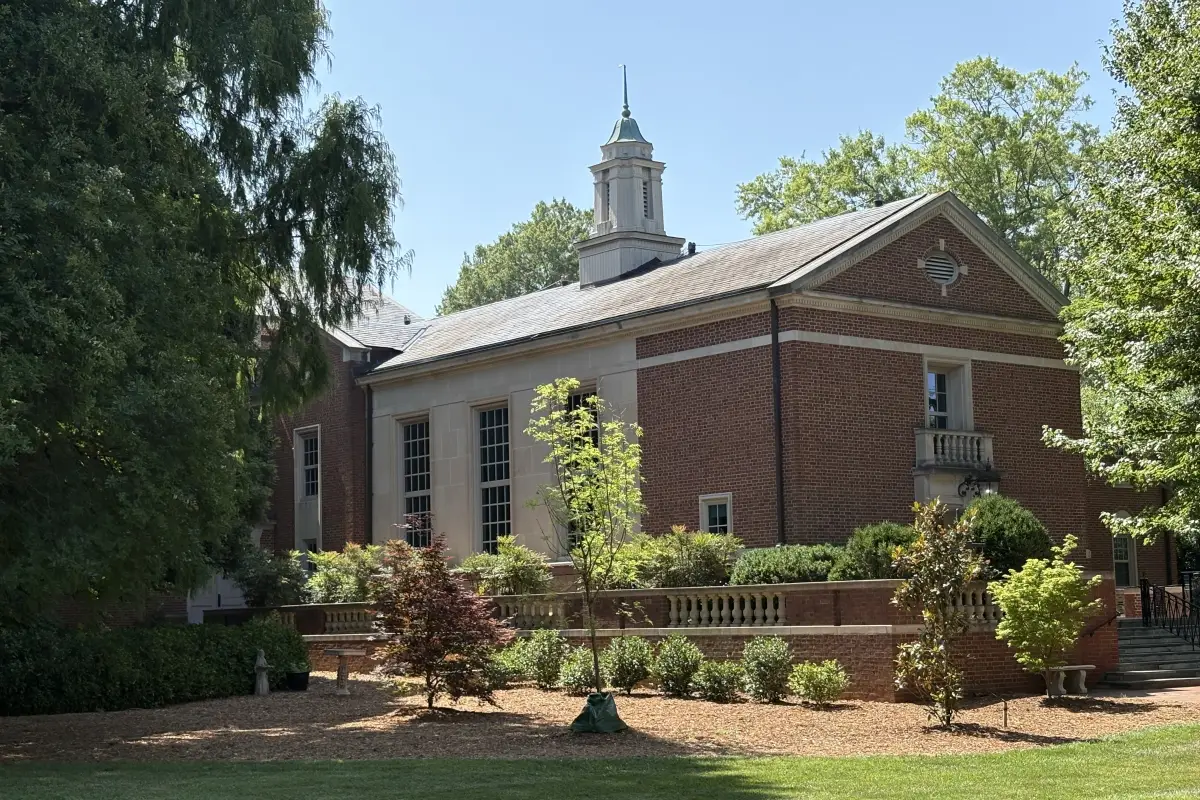
The Lake Norman region is home to a remarkable variety of churches. Some congregations have served their communities for more than a century, worshipping through multiple building projects as the area has grown. Others were established in the late 1990s and early 2000s and now welcome thousands of attendees across multiple campuses. New congregations continue to emerge as communities throughout Mooresville, Davidson, Cornelius, Huntersville, and Denver expand.
That range creates an equally wide range of audiovisual needs. A sanctuary built decades ago presents very different challenges than a modern worship center hosting multiple Sunday services. A congregation meeting in a renovated storefront faces different priorities than a church planning for long-term growth.
There is no single formula for effective church AV. The right approach depends on the building, the congregation, the worship style, the volunteer resources, and the long-term goals. Understanding how these factors shift across different types of churches helps leadership teams make decisions that support both today's ministry and tomorrow's growth.
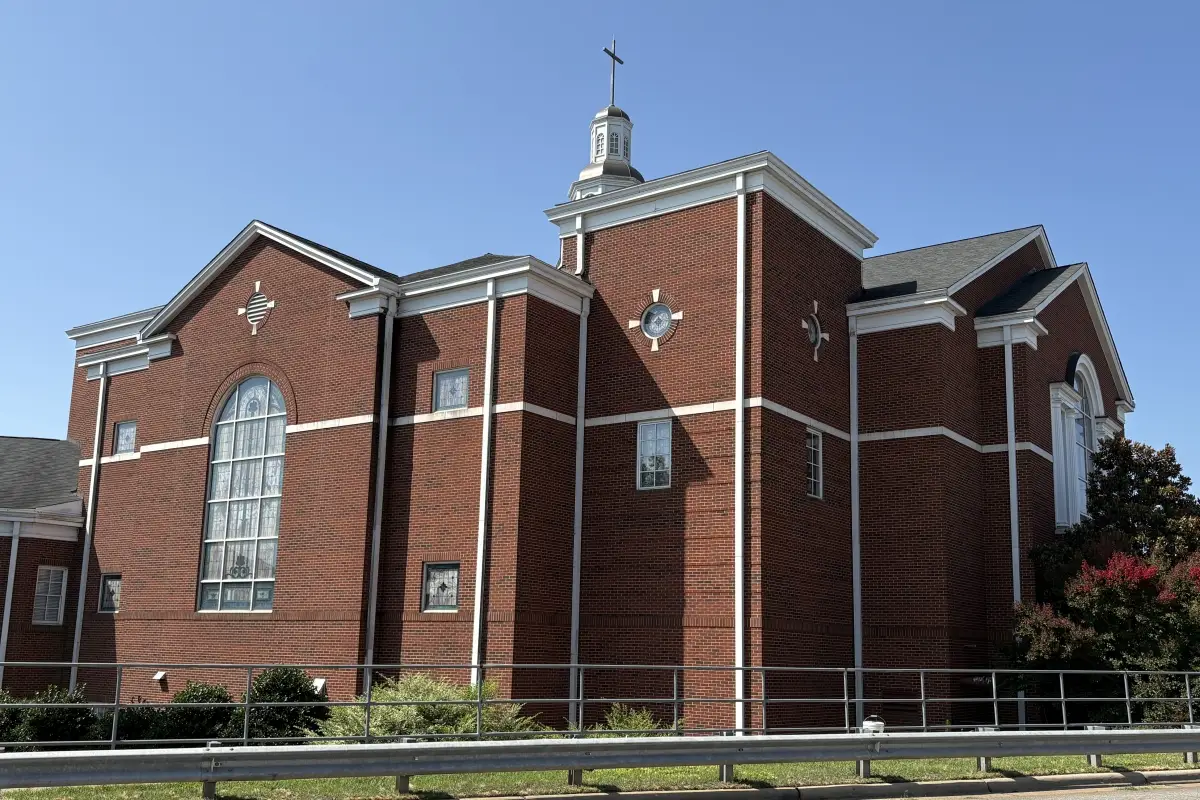
Established Congregations with Deep Community Roots
Many churches throughout the Lake Norman area have been gathering for generations. Their buildings reflect decades of growth, renovation, and changing ministry needs while preserving architectural features that give each sanctuary its character.
Williamson's Chapel UMC in Mooresville illustrates this pattern well. Founded in 1912 by sixty people meeting in a local school, the congregation worshiped in a white frame church before constructing a brick building in 1938. Another sanctuary followed in 1961-62, and the current 1,200-seat sanctuary opened in 2005 as the Lake Norman area grew rapidly.
Davidson College Presbyterian Church represents another congregation with a long architectural history. Its original building was constructed in 1885 before being demolished in 1950. The current sanctuary was completed in 1951, seats up to 800, and still features a pipe organ that has been rebuilt twice.
These churches illustrate a broader category rather than reflect any specific AV installation. Congregations with long histories often occupy spaces that predate modern sound reinforcement, projection, and streaming by decades.
Technology Gets Added in Layers
As buildings evolve, technology gets layered over time. Microphones added before digital mixing was common. Speakers replaced without redesigning overall coverage. Projection or hearing assistance systems introduced during later renovations. The result is often equipment from different eras, each piece doing its job but not functioning as an integrated system.
The Room Is Part of the Problem
Historic sanctuaries were designed for unamplified sound — high ceilings, brick walls, stone surfaces, and large open floor plans were built to carry a pipe organ and a choir without any amplification at all. That worked beautifully for what worship looked like when these buildings went up. It also means that adding amplification in these spaces often fights the room rather than working with it.
When clarity is a problem, the instinct is to add more powerful speakers or a newer mixer. But in a reverberant sanctuary, more power typically produces more echo, not more intelligibility. Acoustic treatment, which addresses how the room itself handles sound before more equipment goes in, can solve problems that a new speaker system cannot. Evaluating both the room and the technology together almost always produces better results than replacing equipment alone.
A related challenge is the growing number of congregations that offer both traditional and contemporary services. A sanctuary hosting an organ-accompanied service at 9:30 and a praise band at 11:00 needs a system flexible enough to handle both styles well, not one that's optimized for one and merely tolerating the other.
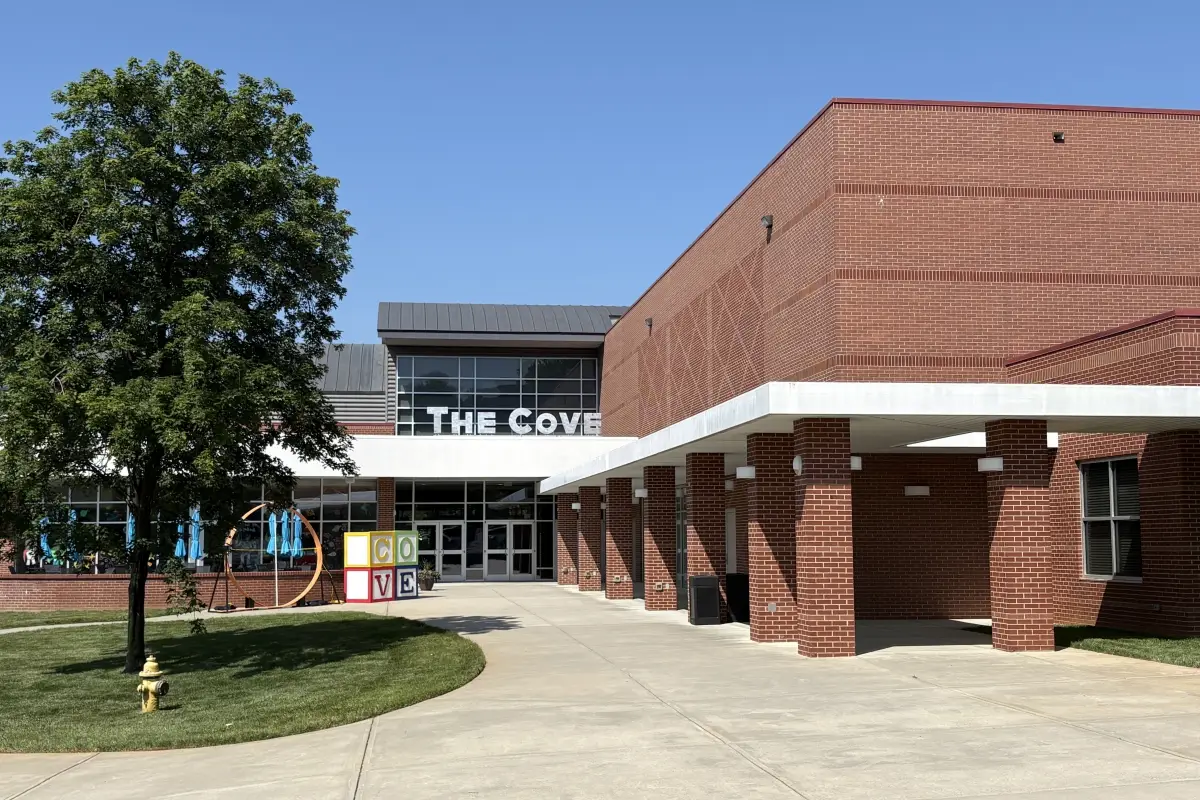
Fast-Growing Multi-Campus Churches
The Lake Norman area has also seen the rise of churches that have grown rapidly alongside their surrounding communities. These congregations typically embrace contemporary worship, operate multiple Sunday services, and serve members across several physical locations.
The Cove Church is one example. Founded in 1998, it has expanded to campuses across the region, including Mooresville, Statesville, Denver, and Salisbury, plus an online campus. The Mooresville campus currently hosts three Sunday morning services. Growth at that scale creates a different set of AV priorities than those found in historic sanctuaries.
Rather than adapting technology to older architecture, growing churches focus on consistent, reliable performance across multiple services and locations. Every Sunday involves a worship band, wireless microphones, presentation systems, video, and volunteers rotating through technical roles. Equipment gets little downtime between services, making reliability as important as raw performance.
The Livestream Audio Problem Nobody Talks About
Live streaming is a core ministry tool for most churches in this category. And it's where a lot of churches underserved their online congregation: most send the same audio mix to their stream that they're running in the room. A room mix is tuned for a physical space; it accounts for the acoustics, the distance, the experience of being there. Play that same mix through a phone or laptop speaker and it often sounds thin, muddy, or just off. A dedicated broadcast mix, separate from the room mix, is one of the most practical improvements a growing church can make to its online worship experience. Most churches never do it.
Plan for Where You're Going, Not Where You Are
Scalability is worth thinking about before it becomes a problem. A system designed around today's attendance can reach its limits faster than expected when additional services, larger worship teams, or expanded production needs emerge. Building expansion capacity into the original design is consistently less expensive than redesigning later.
Volunteer operation deserves serious attention too. Most churches in this category depend on dedicated volunteers rather than full-time production staff. Straightforward workflows, well-organized control systems, and consistent training make weekly operation more manageable and reduce the chance of technical problems during services.
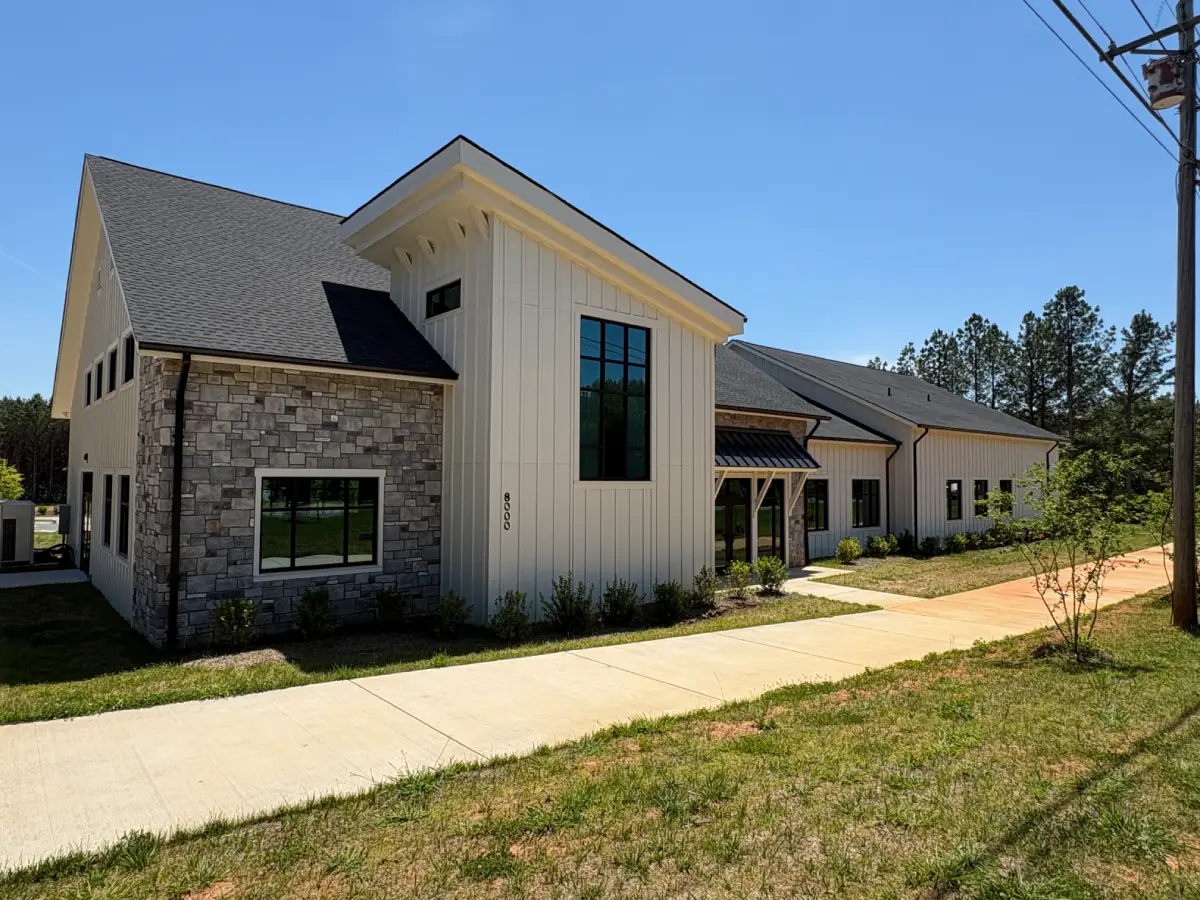
New and Growing Congregations
Not every church begins with a dedicated sanctuary. Many newer congregations start in schools, community centers, retail spaces, or other multipurpose facilities while building their membership and planning for a permanent home.
Huntersville Lutheran Church illustrates this path well. The congregation began meeting in a hotel conference room in 2016, officially launched in fall 2018, and worshipped in five different locations over the following years before opening its first permanent facility on McIlwaine Road in July 2025. That journey from borrowed space to a purpose-built home is one many growing congregations in this region are somewhere along right now.
These congregations are often making foundational AV decisions for the first time. Budget matters, but so does flexibility. Equipment may need to be packed up after every service, adapted to changing room layouts, or expanded as the congregation grows.
Technical responsibilities typically fall to volunteers rather than dedicated AV staff. A system that requires significant technical knowledge to run each week becomes a weekly headache, not a ministry tool. Systems with straightforward controls, dependable operation, and simple setup procedures suit the realities of a growing congregation far better than feature-heavy gear nobody has time to learn.
Start With What Matters Most
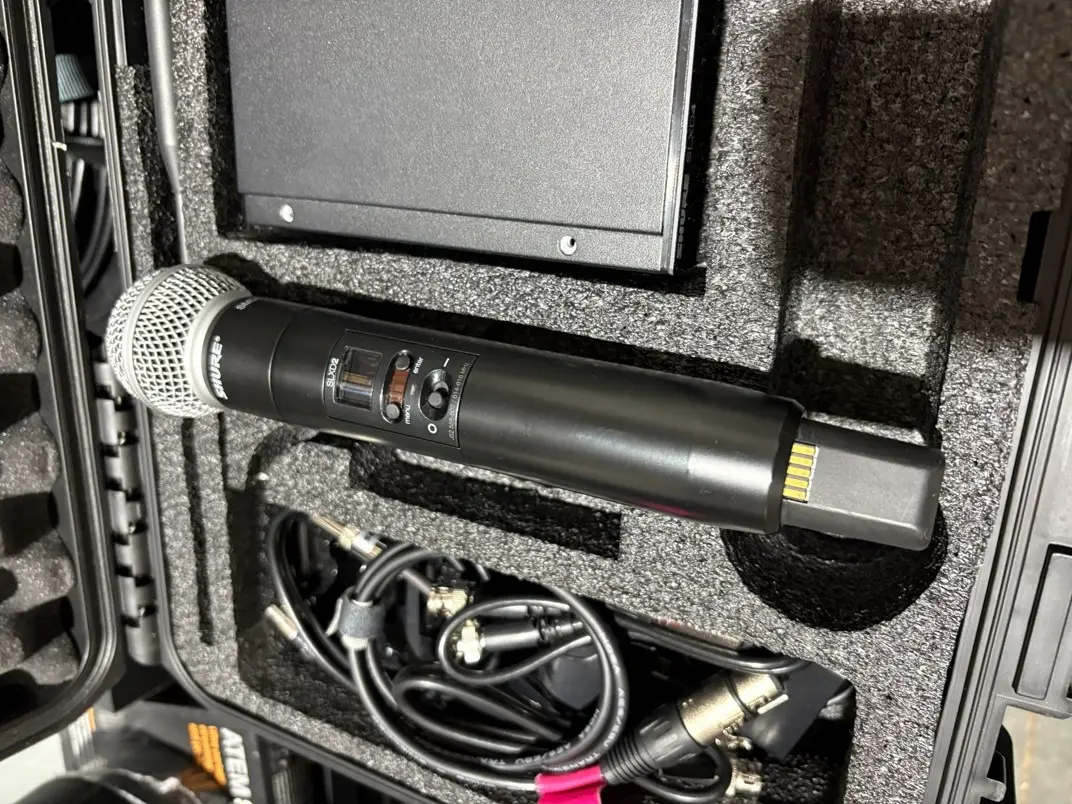
Wireless microphones tend to be the first place the budget gets cut and the first place problems show up in front of the congregation. Budget wireless systems are vulnerable to interference in shared buildings, near school Wi-Fi networks, or anywhere with heavy wireless traffic. A dropout during the sermon, or during a baptism, is the kind of moment people remember. Reliable wireless is worth prioritizing early, before most other production elements.
The pull toward consumer-grade equipment to stretch the budget is understandable. But gear built for occasional home use struggles with the demands of weekly services, repeated transport, and extended operating hours. Investing in dependable commercial AV equipment for the components that run every single week reduces maintenance issues and replacement costs over time.
Rather than trying to buy everything at once, focus first on what drives ministry impact and add the rest as the congregation grows. A good starting order:
- Speech reinforcement first. Every seat should be able to hear the message clearly, regardless of where people are sitting.
- Reliable microphones. This is not where to cut costs.
- A flexible audio foundation. Choose a system that can expand as attendance and programming grow.
Additional displays, advanced lighting, and expanded video capabilities can follow as the congregation's needs and resources develop.
Supporting Every Stage of Ministry
The churches throughout the Lake Norman area reflect the growth and history of the communities they serve. Some congregations have worshipped together for generations in architecturally significant sanctuaries. Others continue to expand across multiple campuses. New congregations are establishing roots in neighborhoods throughout the region.
Each stage brings different AV priorities. Historic sanctuaries benefit from acoustic planning alongside technology decisions, not instead of them. Fast-growing churches need systems built for reliability across multiple services, growing production demands, and online ministry. New congregations need practical, dependable solutions that fit both their current reality and where they're headed.
RYGID AV works with churches across all of these stages throughout the Lake Norman area, helping congregations evaluate church AV solutions that fit their space, worship style, and long-term goals. If your church is considering updates to its AV system, we're glad to start that conversation.
.webp)
Recommended articles
Explore our latest news & articles below


Where to Contact + Connect with RYGID AV
Mooresville, NC 28117