
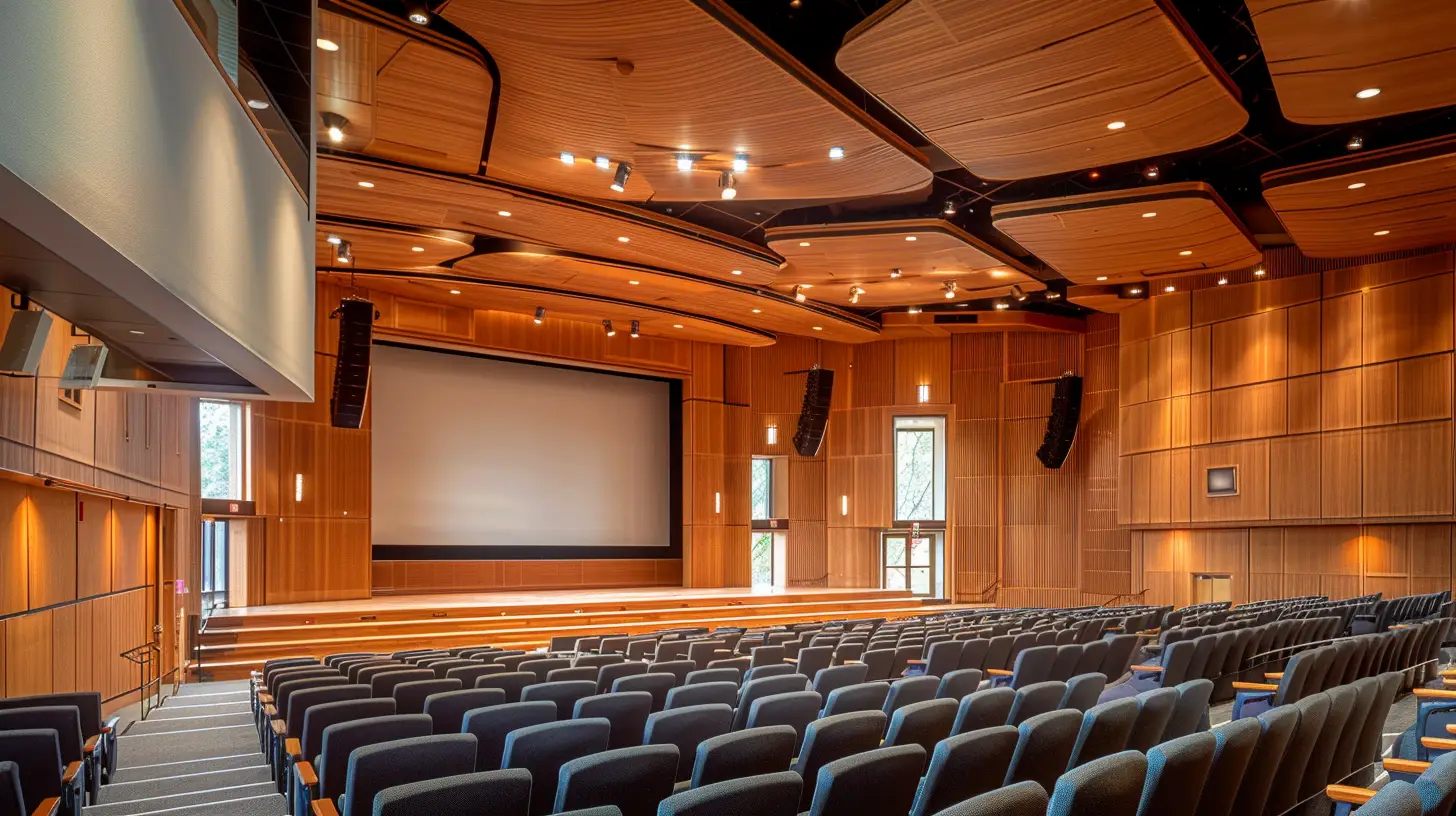
Most people think about sound systems first when they're dealing with audio problems in an auditorium. Better speakers, more powerful amplifiers, additional microphones. And while quality equipment matters, it can only do so much when the room itself is working against it.
Here's the thing: auditorium acoustics matter just as much as your equipment.
This matters whether you're planning a new auditorium, renovating an existing worship center, or trying to figure out why your school's assembly hall sounds different depending on where people sit.
The Room Shapes What You Hear
Think about the difference between talking in your living room versus talking in an empty gymnasium. Same voice, completely different sound. That's acoustics at work.
Auditoriums across North Carolina come in all kinds of configurations - converted gyms serving as worship centers, purpose-built performance spaces, multi-use community halls. Each one handles sound differently based on what it's made of and how it's shaped.
Hard surfaces reflect sound. Concrete walls, tile floors, brick, glass windows - these bounce sound waves around the room. When those reflections overlap with the original sound, you get echo and muddiness. Soft surfaces absorb sound. Curtains, padded seating, carpet, acoustic panels - these reduce excessive bouncing and help clarity.
Your equipment projects the sound. The room determines how people actually experience it.
When speech sounds crystal clear up front but blurred in the back, or music feels loud but lacks definition, the acoustics are usually the primary issue - not the sound system.
How Sound Actually Behaves in Your Space
Two things happen when sound leaves your speakers:
Direct sound travels straight from the speaker to the listener's ears. This is what you want people to hear - clear and unaffected.
Reflected sound bounces off walls, ceiling, and floor before reaching the listener. These reflections arrive slightly delayed, and when they compete with the direct sound, clarity decreases.
Our ears naturally prioritize direct sound over reflections. But when a room creates too many strong reflections, speech becomes harder to follow and music loses definition. This is especially problematic during spoken announcements or sermons where every word matters.
Some reflection can be helpful - concert halls designed specifically for orchestral music intentionally create longer reverberation to add warmth and fullness. But in multi-purpose auditoriums where you need both speech clarity and musical performance, finding the right balance becomes critical.
Signs Your Acoustics Need Attention
You might be dealing with acoustic issues if:
- Speech is hard to understand from certain seating areas, even with the volume turned up
- Music sounds loud but not clear, especially when the band or choir gets going
- The same sound system performs completely differently depending on where you're sitting
- You keep cranking the volume higher, but clarity doesn't improve
- People regularly report echo or that "everything sounds muddy"
These problems show up in both older buildings and newer construction. The common thread is that the physical space is affecting how sound distributes and settles.
What Creates Acoustic Problems
Several characteristics frequently cause issues:
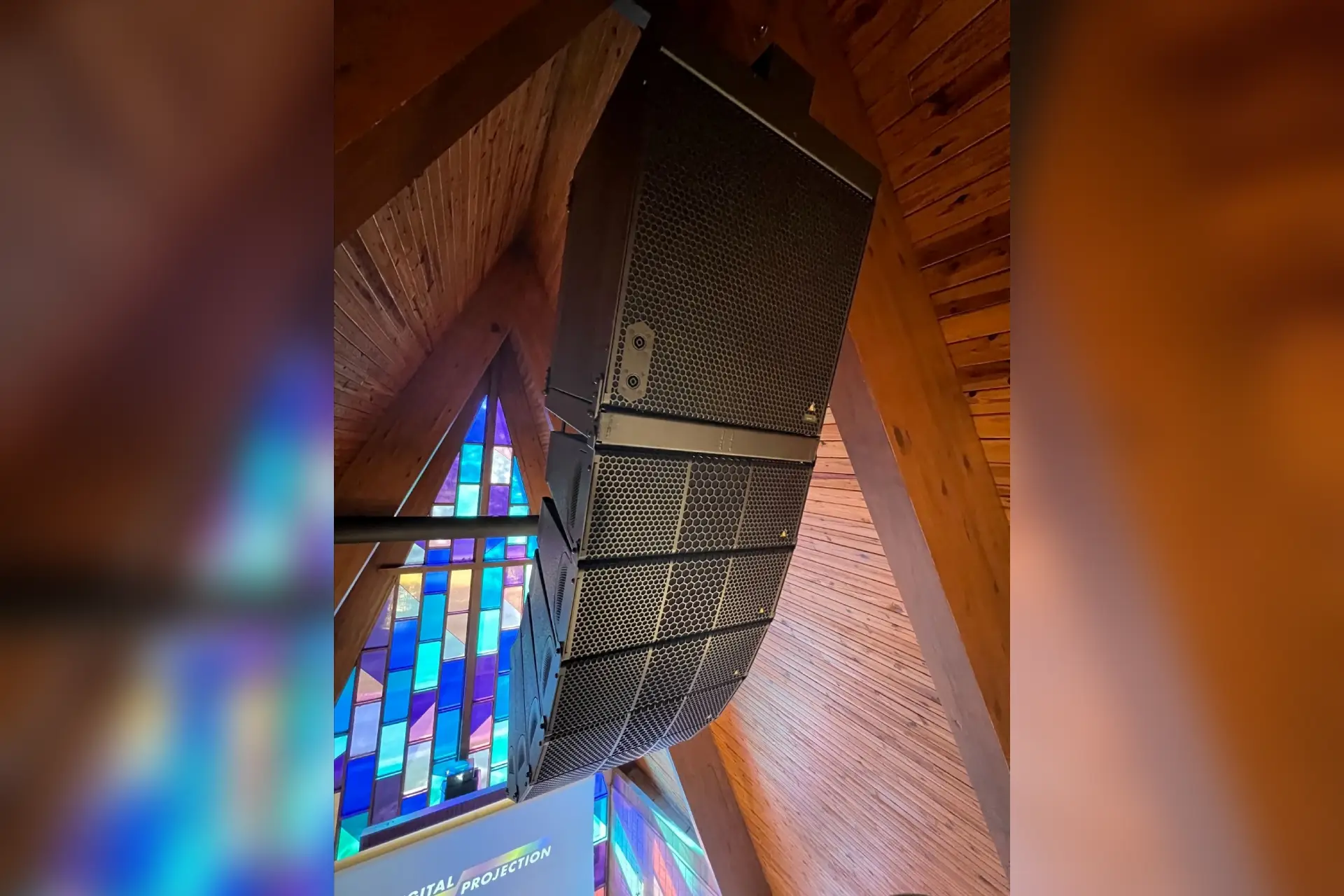
High ceilings and tall walls let sound bounce over long distances. Picture a church sanctuary with a 30-foot ceiling - that's a lot of travel time for sound reflections. This is why church AV systems require both acoustic planning and the right equipment - you can't solve one without addressing the other.
Large open floor plans without enough sound-absorbing materials create excessive reflection. Many auditoriums in North Carolina were built as multi-purpose spaces, which often means lots of hard surfaces and minimal acoustic treatment.
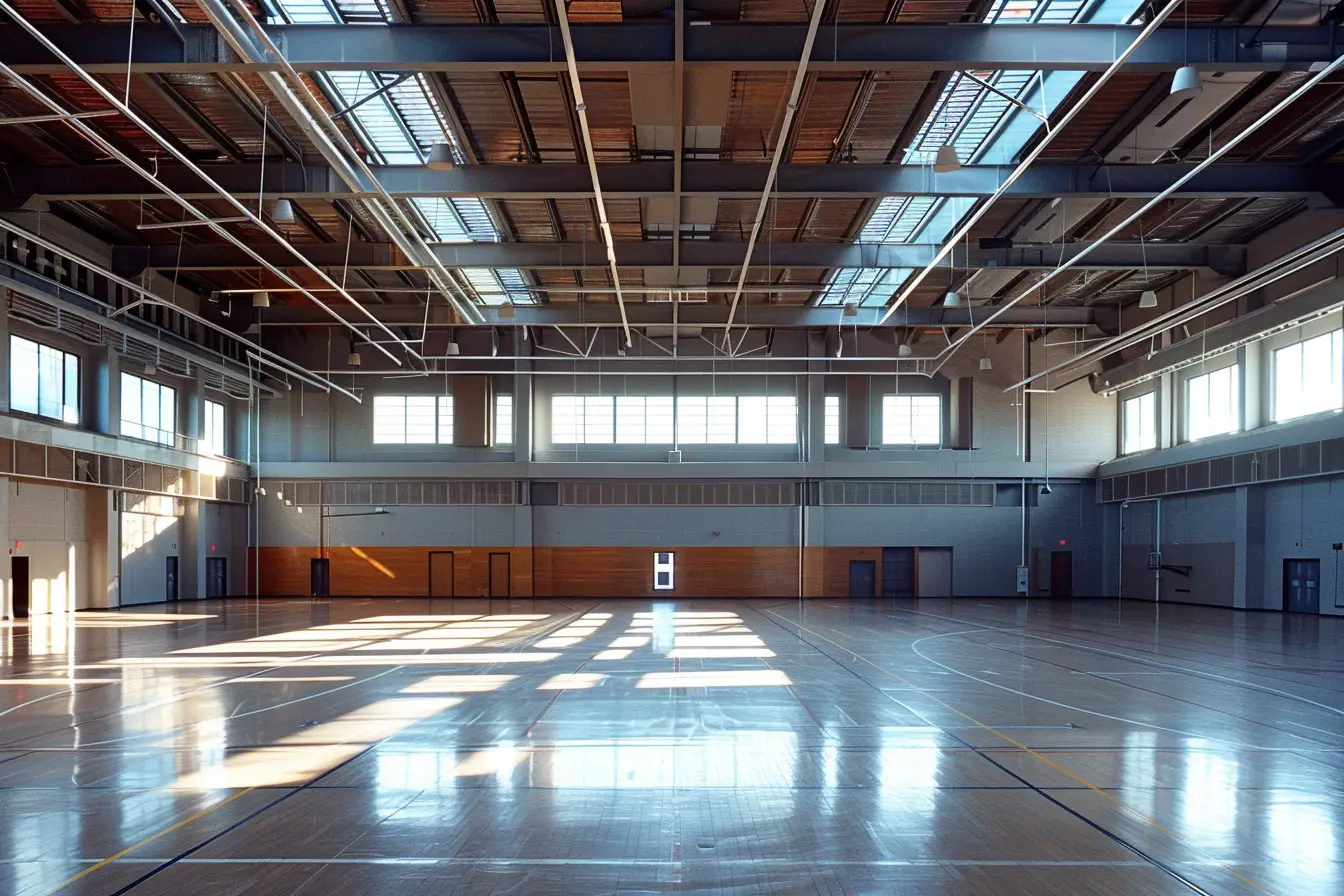
Gym-style construction magnifies these issues. Hard floors, concrete block walls, metal roof decking - everything reflects.
Stage areas and performance shells can project sound in unpredictable ways if not designed with acoustics in mind.
Think about a garden hose versus a fire hydrant main line. Both move water, but they're designed for completely different pressure and flow demands. Your home listening room and a 300-seat auditorium have similarly different acoustic demands - just like conference room AV requires different solutions than home office setups.
How to Evaluate Your Space
You don't need expensive testing equipment to identify basic acoustic problems. These simple observations reveal a lot:
Do a speech test from the stage. Have someone speak at normal volume from the front. If words sound sharp and echoey in the back rows, or if they seem to blend together, excessive reverberation is competing with clarity.
Listen for how long sound lingers. Stand in the middle of the empty room and clap once. Notice how quickly the sound dies away. If you hear the clap bouncing around for more than a second or two, that's excessive reverberation.
Look for large uninterrupted hard surfaces. Opposing walls without acoustic treatment, tall ceilings, concrete, tile, brick - these all reflect sound strongly.
Notice where sound feels scattered. If sound seems to wash across the room instead of projecting clearly forward, the reflections are overwhelming the direct sound.
Compare empty versus full. An audience absorbs sound. If acoustic problems disappear when the room is full but return when it's empty, that's a clear sign that acoustic treatment could provide consistency.
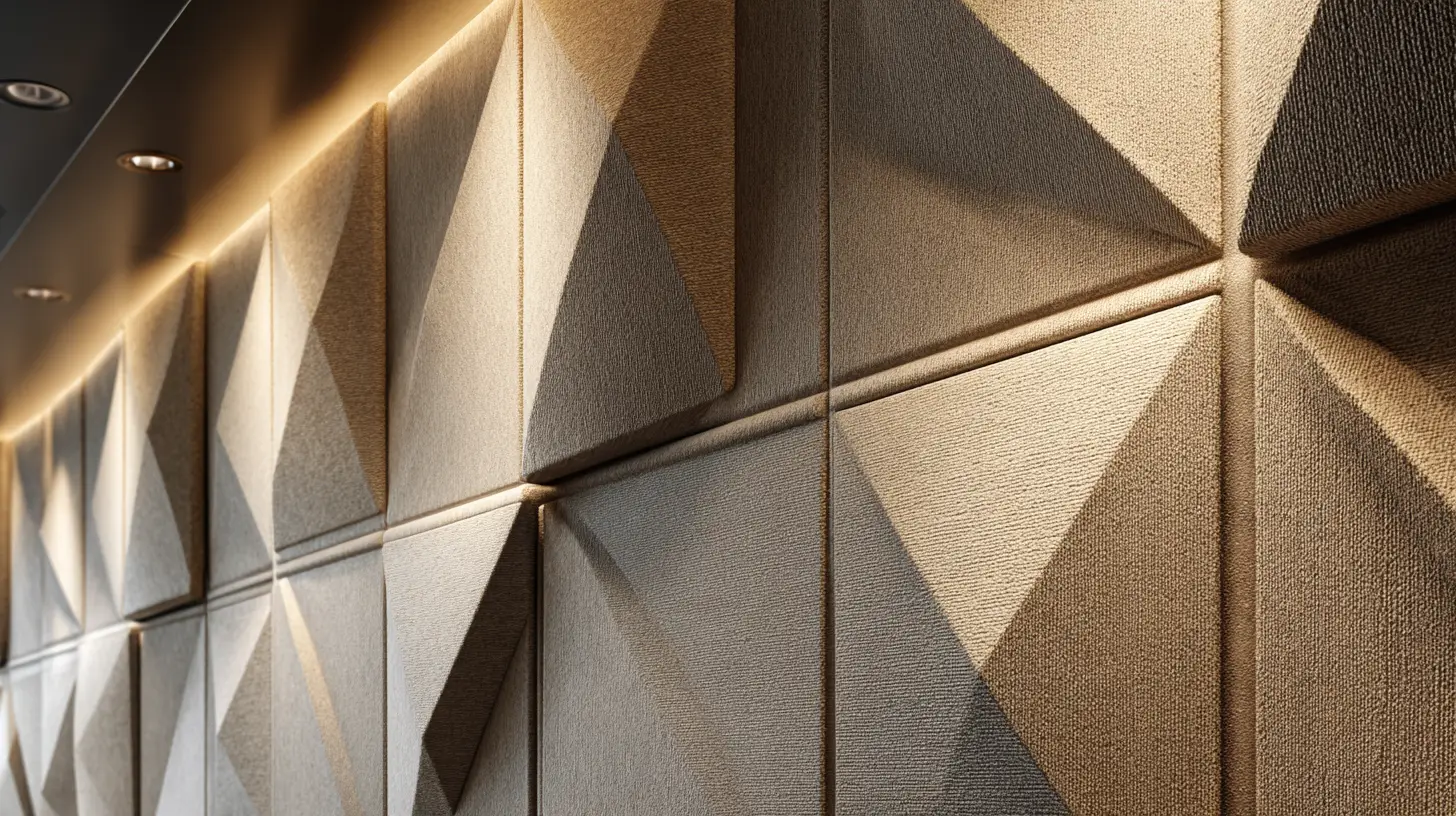
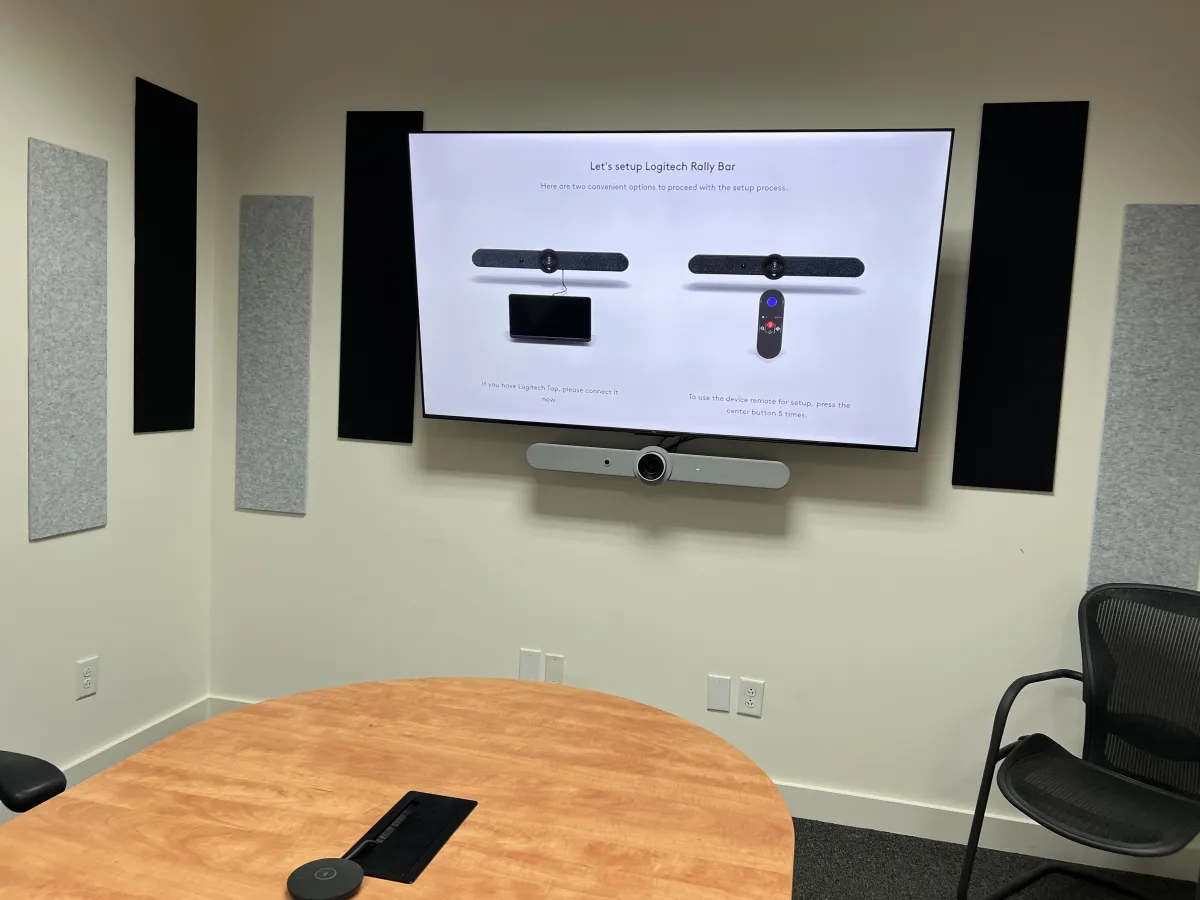
Strategic solutions - acoustic panels, ceiling clouds, curtains, or diffusers - can help manage how sound moves in the room and improve clarity without requiring major construction.
Working With What You Have
Not every acoustic problem requires tearing out walls or dropping ceilings. Many spaces can be meaningfully improved with targeted acoustic treatment.
The key is understanding how your specific room interacts with sound, then addressing the issues that matter most for how you actually use the space. A worship center that prioritizes spoken word needs different acoustic treatment than a performance hall focused on musical concerts.
This is where understanding what makes an AV system work properly becomes important. Acoustics and equipment work together - addressing both gets you clearer speech, fuller music, and better sound for everyone in the room.
For spaces that need comprehensive solutions, auditorium and large venue AV integration can address both the acoustic environment and the equipment working within it.
Treating the Room as Part of Your System
When you're planning improvements or dealing with persistent sound problems, the room deserves as much attention as the equipment. Even the best sound system can't overcome poor acoustics.
The good news? Once you understand how your space affects sound, you can make informed decisions about what will actually solve your problems. Sometimes that means acoustic treatment. Sometimes it means equipment upgrades. Usually it means both, working together.
If you're evaluating your auditorium's sound quality or planning improvements, contact RYGID AV for an acoustic assessment. We'll evaluate how your specific space handles sound, identify the issues affecting clarity, and recommend integrated solutions that address both your room's acoustics and your equipment needs - because fixing one without addressing the other rarely solves the problem.
Ready to improve your auditorium's sound quality? Contact RYGID AV for a consultation to evaluate both your acoustic environment and AV system needs.
RYGID AV | 122 Backstretch Ln., Mooresville, NC 28117
(980) 268-8066 | info@rygidav.com
.webp)
Recommended articles
Explore our latest news & articles below


Where to Contact + Connect with RYGID AV
Mooresville, NC 28117