
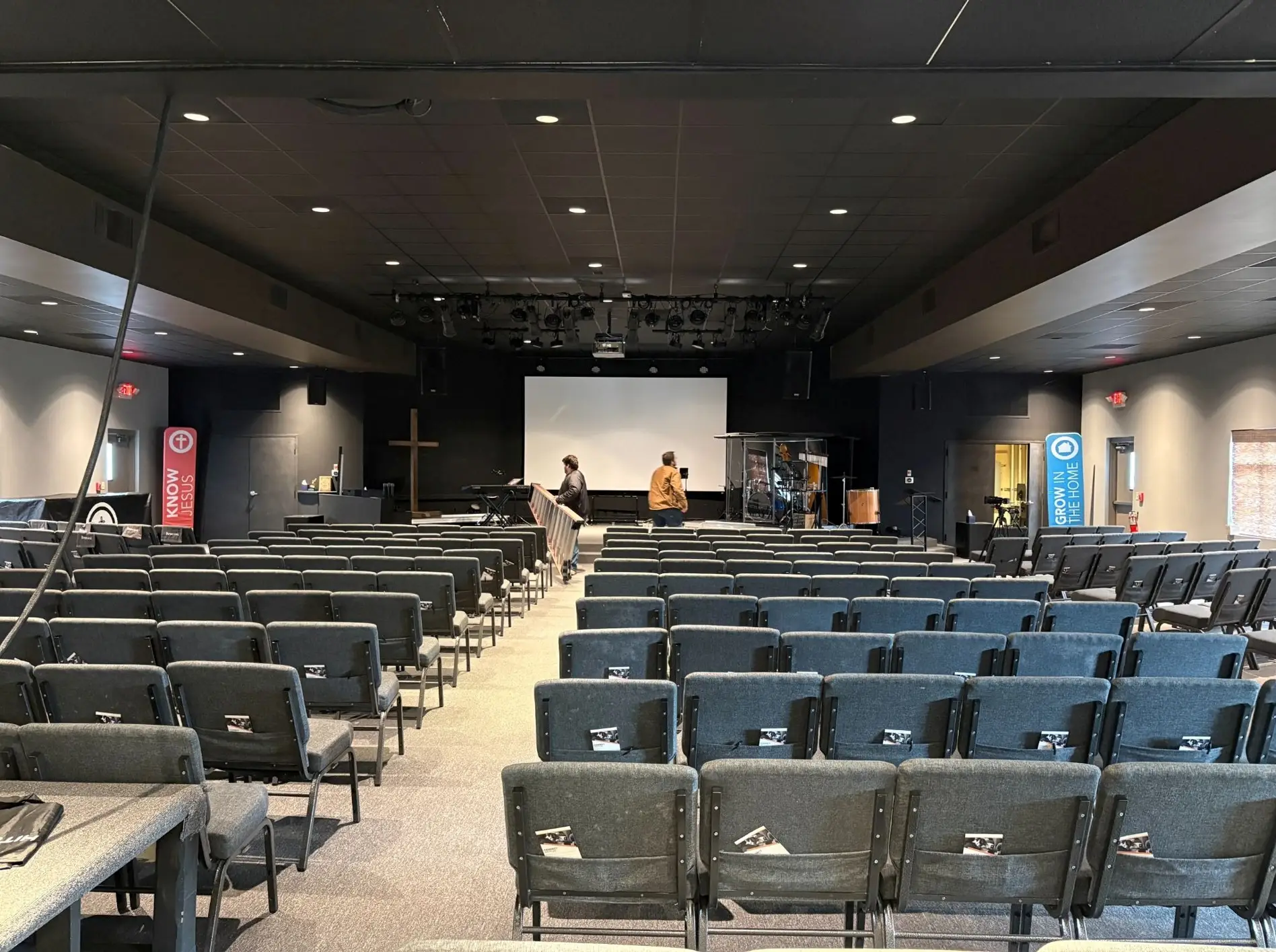
Most church AV upgrade decisions are made in collaboration between two groups. One is closest to the system: the worship pastor, tech director, or volunteer who runs the board every Sunday. They know which mics drop out and which corners of the sanctuary struggle to hear the sermon. The other is responsible for the church's resources: an executive pastor, finance committee, or elder board.
Both roles matter. An AV system is a significant investment, often five figures, and leadership should review it closely before approving it. Careful review is good stewardship, not an obstacle. The goal is for everyone involved to have what they need to make a confident decision.
Much of that work happens in the stretch between receiving a proposal and starting installation. Below are the approaches we use with churches during that stage.
Start With Return, Not Price
Anyone responsible for making a sizable investment for the congregation wants to know two things: what problem it solves, and how long the solution will last. That's where we start too.
Our goal on every church project is to give you the best return on what you spend. That means equipment that lasts, that fits the way your services actually run, and that meets the needs of your congregation for years rather than just this season. A system designed around those goals is easier to evaluate, because the conversation shifts from "Can we afford this?" to "What does this give us, and for how long?" (Our [guide to keeping AV equipment in service longer](LINK: AV system maintenance guide) covers the other half of that equation.)
One System, Several Budgets
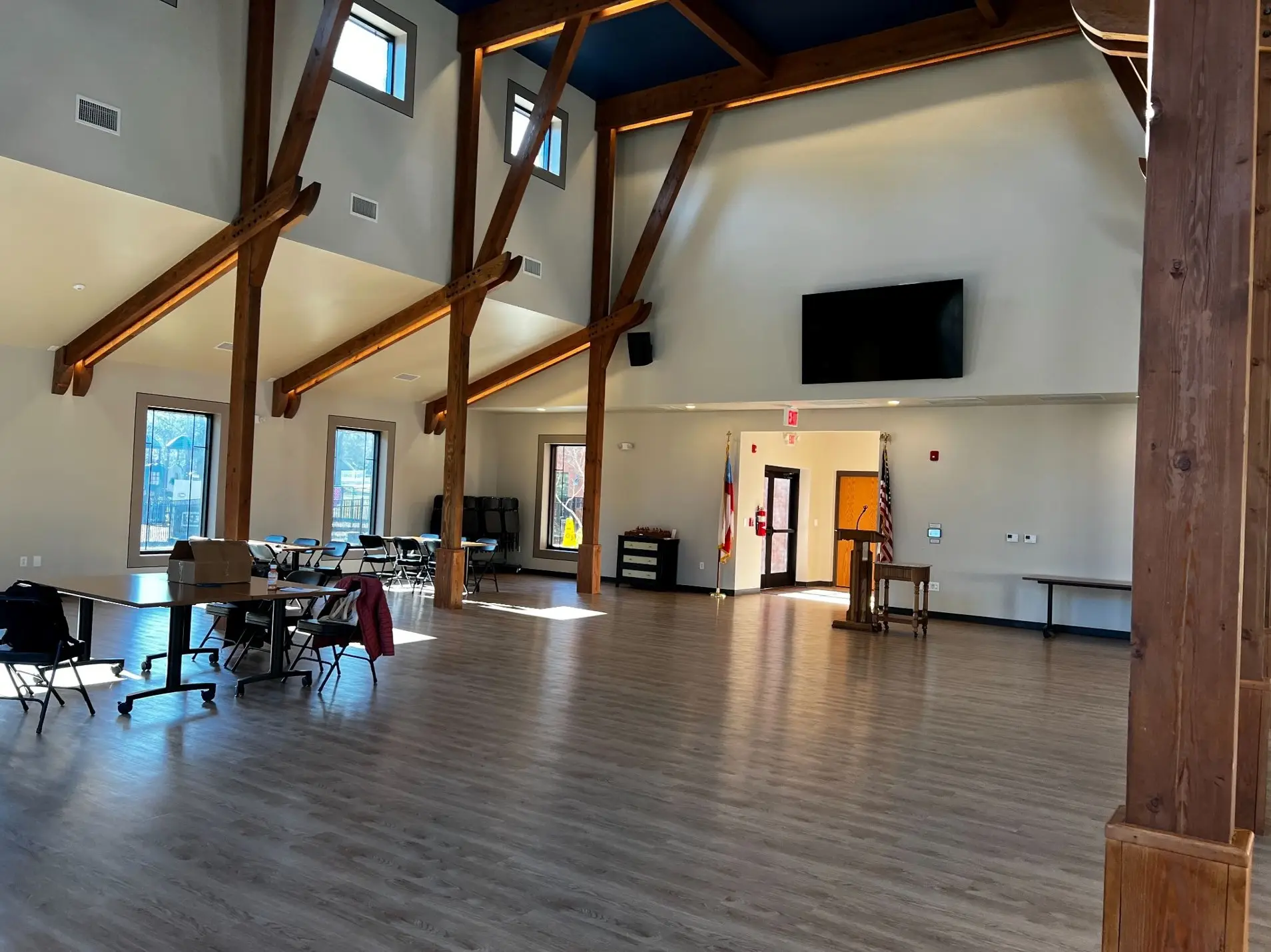
Some churches have the resources for an upgrade, but they aren't sitting in one line item. Worship has a budget. Communications has a budget. Facilities, youth, and events may each have their own. Looking at any single one, the project seems out of reach.
A sound and video system rarely serves only one ministry, though. The same equipment that supports Sunday worship also feeds the live stream the communications team manages. It carries the Wednesday night youth service, the spring conference, the funeral on a Tuesday afternoon, and the hearing assistance system for members who rely on it.
We've worked with churches that recognized this and pulled funding from several ministry budgets to complete the project. When each group can see how the system serves its own work, contributing makes sense. For leadership, this view also gives a more accurate picture of what the church is buying: shared infrastructure that supports nearly every ministry, not one department's equipment.
Phasing the Project Over Several Years
Another option is to split the project into phases. Rather than approving the full scope at once, leadership approves a piece of it each year. A phased plan might look like this:
- Year one: replace the mixer
- Year two: upgrade the microphones
- Year three: add fill speakers and onstage monitors
For many churches, this turns a decision that feels too large into a series of manageable ones. Each phase is a smaller commitment, and the improvements arrive in stages.
Phasing comes with its own challenges. The equipment you buy in year one has to work with what gets installed in year three, so the full system needs to be designed up front, even if it's purchased over time. Product lines change, and pricing moves. The congregation also lives with a partially upgraded system between phases. None of these are reasons to avoid a phased approach. They're reasons to plan it carefully. With a complete design in hand, a phased project can be done, and done well. If sound is your starting point, our [church sound system guide](LINK: church sound system guide) explains how the board, microphones, and speakers work together.
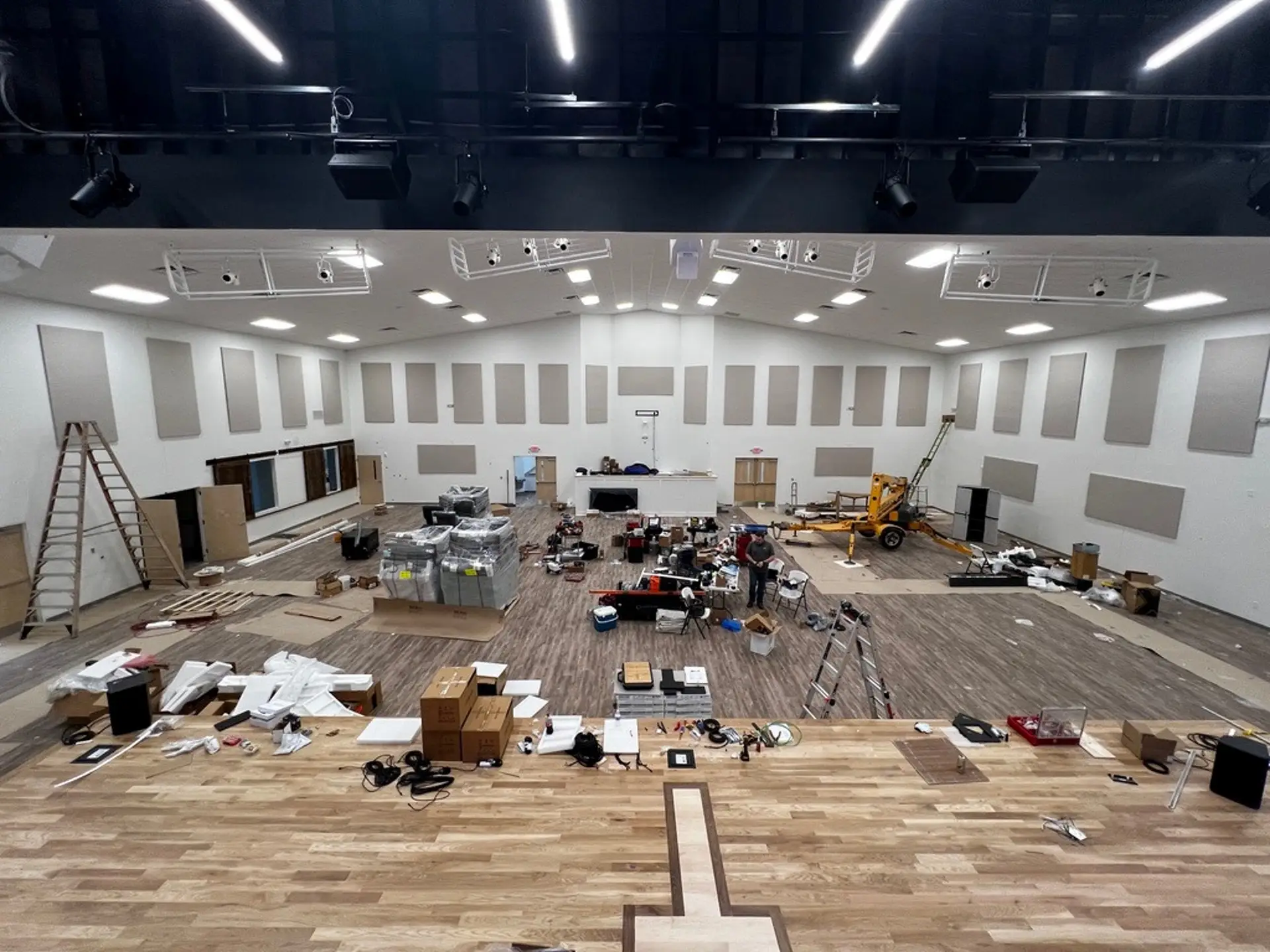
Preparing the Proposal for Leadership
Whoever brings the proposal to leadership will field questions about cost, options, and long-term value. Thinking those through ahead of time makes the conversation easier for everyone:
- Describe the problem in terms of the people affected. "The board is outdated" is less compelling than what members and volunteers actually experience on Sunday.
- List every ministry that uses the system. This shows the full value of the project and opens the door to shared funding.
- Know what the proposal includes and why. Each major piece of equipment should connect to a specific need.
- Lay out the options. Full project or phased, and what each path means for timing and cost.
- Name the decisions leadership needs to make. Scope, timing, and which budgets the funding comes from.
- Ask about lifespan and upkeep. Your integrator should be able to tell you how long the equipment is expected to last and what maintenance it needs.
Some questions will still land outside what anyone but the system designer can answer well. Why this mixer instead of a less expensive one? Can the existing speakers stay? Those questions deserve direct answers, not a promise to follow up.
We're Glad to Join That Conversation
When a church brings an AV proposal to leadership, we can attend the meeting. Our role there is to answer questions: what the system includes, why it costs what it does, what the options are, and what each choice means for the church over time. You know your ministry and your congregation. We know the equipment and the design behind the proposal. Between the two, leadership gets the full picture.
That serves decision makers as much as anyone. A question that might otherwise wait a week for a follow-up email gets answered in the room, and leadership can decide with complete information, whatever that decision turns out to be.
If you have an AV proposal heading to leadership and would like us there to answer questions and help keep the project moving forward, give us a call at (980) 263-9194 or email info@rygidav.com. You can also learn more about the church AV systems we design and install.

Recommended articles
Explore our latest news & articles below


Where to Contact + Connect with RYGID AV
Mooresville, NC 28117
Mooresville, NC 28117