
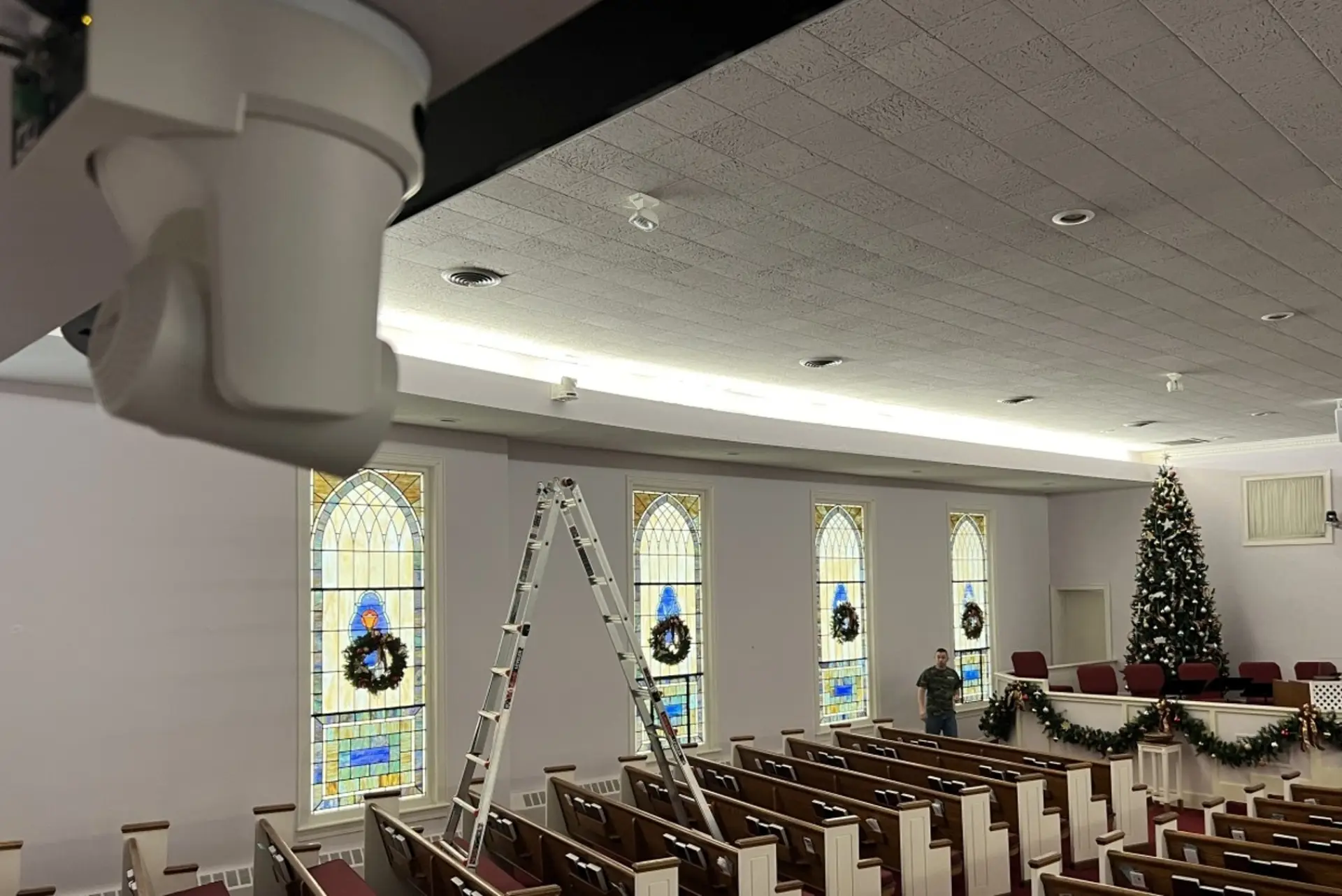
For a lot of churches and businesses, fall is budget season. Finance committees meet, department heads submit requests, and sometime in the next few weeks next year's budget gets approved. Once it is, what's in it is what you have to work with until next fall.
AV maintenance is easy to leave off that list. The sound system mostly works. The conference room displays turn on. Nobody thinks about budgeting for AV maintenance until something stops working in March, and then the repair has to compete with everything else that already has money behind it.
That's the idea behind "next year starts yesterday." The decisions that shape how your AV system performs next year get made during budget season, often before anyone has looked closely at the equipment.
It Isn't A Project Budget
A project budget pays for something new: a sound system for a new sanctuary, or video conferencing in a room that never had it. It's one-time money, approved for a specific purpose.
That is different from a maintenance budget, which keeps what you already own working. It covers routine care, service visits, repairs, and setting money aside for equipment as it reaches the end of its useful life. It's an operating expense that comes back every year, like HVAC service or software subscriptions.
Most organizations are comfortable with the first kind and forget the second exists. If you're working with year-end project money, we've written separately about planning for an AV project budget. This post is about the line item that keeps the system you already paid for running.
First , Look At What You Have
You can't budget for a system you haven't looked at. Before anyone writes down a number, someone needs a clear picture of what's in the room and what condition it's in.
Start with age. Roughly how old are the main pieces: speakers, amplifiers, the mixer or DSP, displays and projectors, the control system, wireless microphones? You don't need exact install dates. Knowing the mixer went in eight years ago and the displays were replaced two years ago is enough to separate what's likely fine from what needs a closer look.
Then list what's been acting up, even occasionally. Maybe a display takes a few tries to find the right input, or a wireless mic drops out every few weeks. Problems like these are easy to shrug off because the system still gets through the service or the meeting, but they point to where money will be needed.
"It still works" and "it works well" aren't the same. Everything degrades over time, including AV equipment. The people who use it every week might be adjusting without noticing, the same way homeowners stop noticing their own deferred maintenance. We've covered why speakers wear out even when they still work, and the same principle applies across most of a system. Our complete guide to AV system maintenance lists the warning signs worth watching for.
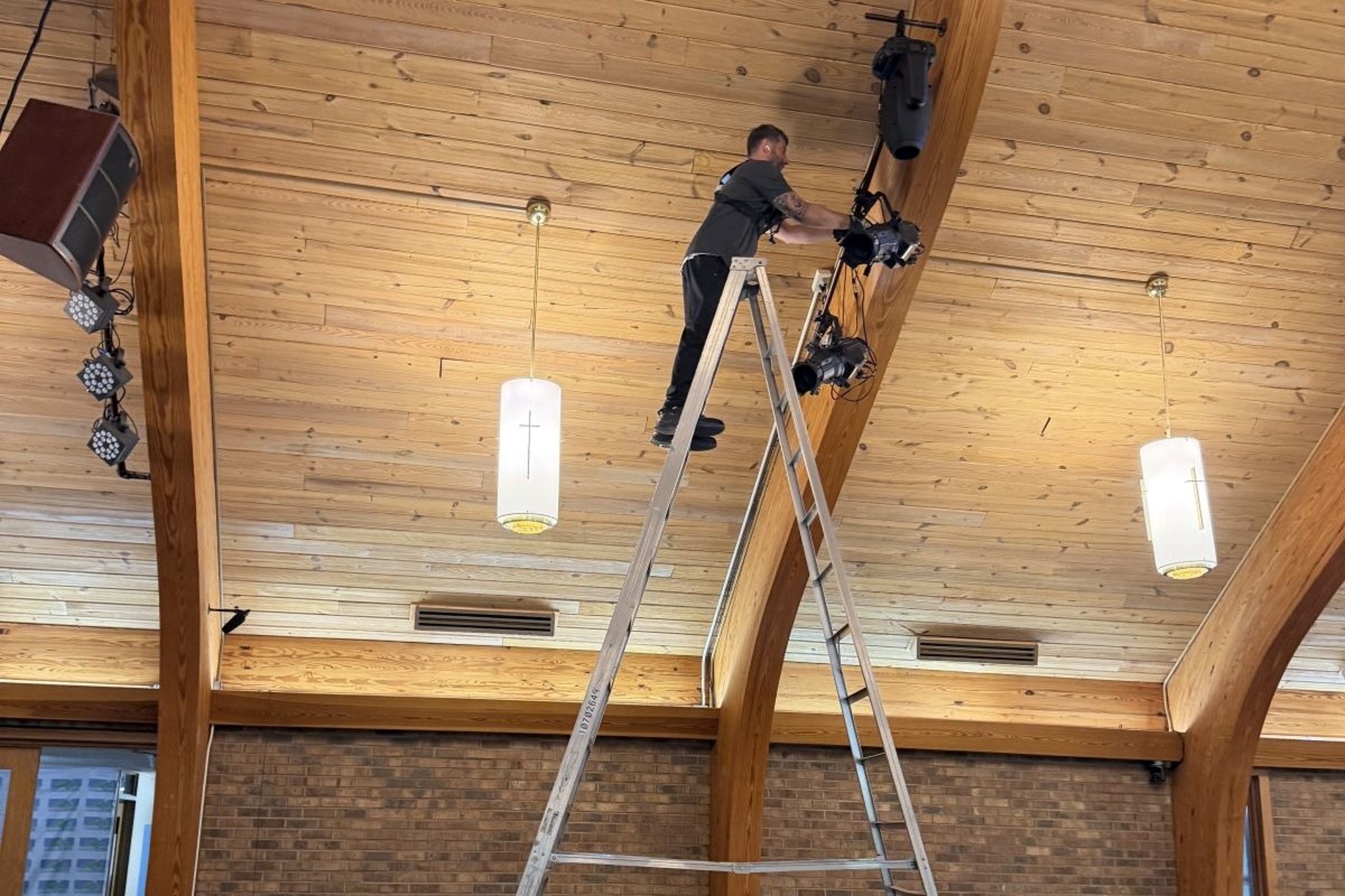
And just like deferred maintenance for a home, the clearest picture comes from a walkthrough by an outside expert before your budget is due. A technician can look behind the grille, check firmware versions, and test the parts of the system nobody touches day to day. You walk away with a list of what needs attention and roughly when.
What Belongs in an AV Maintenance Budget
Most AV maintenance budgets come down to a few categories.
Routine Preventive Care
This is the regular care that keeps equipment running the way it was designed to: cleaning, inspection, calibration, and keeping AV firmware up to date. Your team can handle some of it. Calibration and anything inside the equipment should go to a technician. The maintenance guide lays out a full monthly, quarterly, and annual schedule, so we won't repeat it here. Because routine care happens on a schedule, it's the simplest part of the budget to estimate.
A Service Agreement or Paying as You Go
There are two ways to handle ongoing service: a service agreement or paying as you go. A service agreement, sometimes called a service contract, gives you scheduled visits and a predictable annual cost, and response is typically faster when something goes wrong. Paying per call means you only spend money when there's a problem.
Which one fits depends on how hard the system works. A sanctuary running multiple services a week, or an office with several conference rooms people depend on daily, tends to benefit from an agreement. A small, simple system that rarely needs attention may be fine paying as you go, as long as the budget has room to cover a call. Either way, our AV maintenance services can be set up around the option you choose.
Repairs You Already Know About
If something is already acting up, it belongs in next year's budget now. Intermittent problems are the easiest to put off because they come and go. Microphones that cut out during a service or meeting are a good example: the problem shows up for a minute, disappears, and gets forgotten until the next time.
A Replacement Plan for Aging Equipment
Every component in an AV system has a lifespan, and they don’t all wear out at once, the same way a car’s brakes, tires, and battery each need replacing on their own schedule.
Instead of waiting for one large, unplanned replacement, identify which pieces are getting older and spread their replacement across the next few budget cycles. Maybe the wireless microphones come first, the projector the year after, and the amplifiers after that. Planning this way keeps any single year from carrying the whole cost. An integrator can help set the order based on condition and use, not just age.
Power Protection
Power is easy to overlook, and it can change without anyone touching the AV system. Adding equipment that draws a lot of power, like a new HVAC unit, kitchen appliances, or stage lighting, can strain the circuits your AV equipment shares. The result can be tripped breakers, hum in the sound system, or voltage dips that wear down amplifiers and other equipment over time. If your facility has added equipment or has plans to, include power in your assessment, and budget for protection if the system needs it. We’ve written about how power problems damage AV equipment and what to do about it.
Making the Case to Leadership or a Finance Committee
The person who knows the system needs attention is often not the person who approves the budget. A tech director, worship leader, or office manager sees the problems every week, but the decision sits with an executive pastor, a finance committee, or an operations lead who hasn't seen any of it.
Proper maintenance protects the investment you’ve already made. The sound system or conference room technology was a significant purchase, and keeping it working is part of owning it, just like the roof.
A planned line item is also easier to approve in the fall than an emergency request in the middle of the year, when the money is already committed elsewhere.
Bring specifics. "The sound system is getting old" won't carry much weight in a budget meeting. Showing which components are aging and how often the wireless mics have dropped out this year will. If your team keeps a simple maintenance log, as we recommend in our AV maintenance guide, decision-makers have a record to look at instead of a request to take on faith.

How Churches and Offices Approach It Differently
Church sound and video systems can stay in place for many years, and the volunteers who run them may not notice gradual changes. Christmas and Easter put the most demand on the system, so the budget should cover a check well ahead of them, something we plan into church AV systems from the start. Church budgets also tend to run through a committee, which adds time to the process.
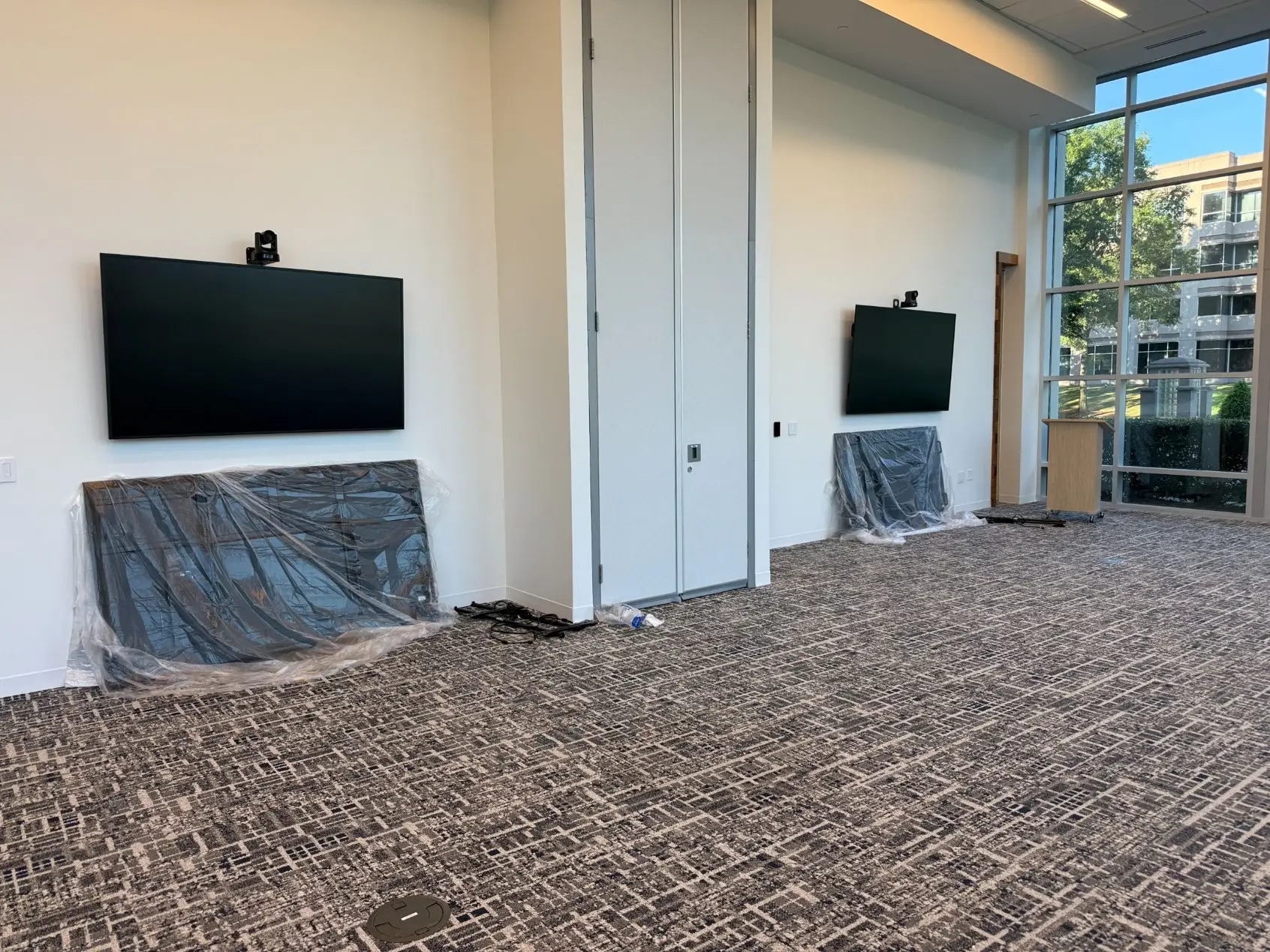
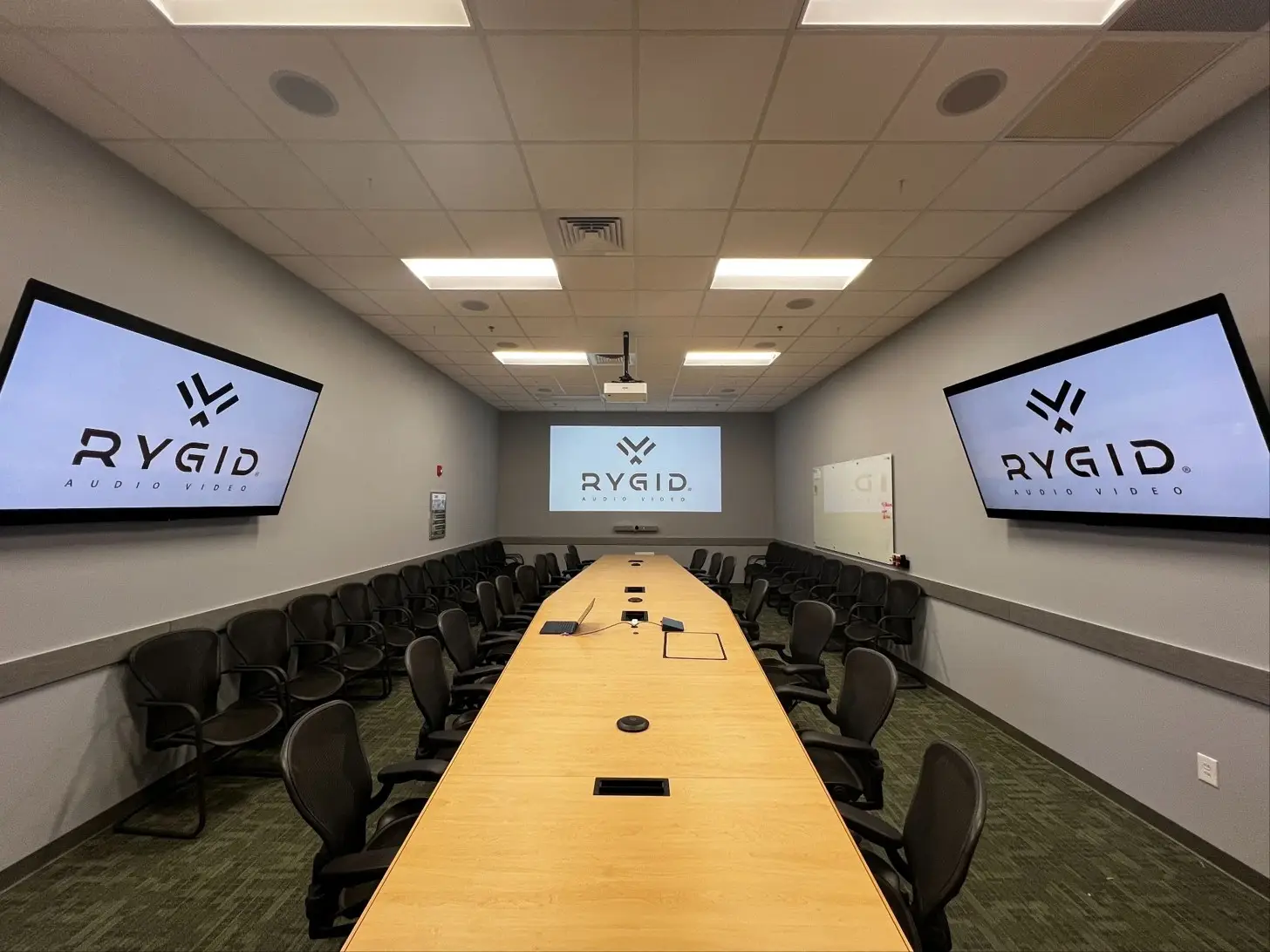
Conference rooms are refreshed on a shorter cycle, and IT usually has a say. A room that can't be used means meetings get moved or cut short. Maintenance in an office can fall between the facilities and IT budgets, which can mean neither one plans for it. Deciding who owns conference room AV maintenance before the budget is set avoids that gap.
Frequently Asked Questions
How much should we budget for AV maintenance?
It depends on the size and age of your system, how heavily it's used, and whether you choose a service agreement. A single conference room and a sanctuary running several services a week will look very different. A pre-budget assessment gives you a number based on your system instead of a general rule.
Do we need a service agreement?
Not always. Agreements like these make the most sense for larger systems, heavy use, and organizations that need predictable costs. If your AV system is small and rarely needs attention, paying per call can be reasonable, as long as the budget has room for it.
What if our system is working fine right now?
Then this is the best time to budget for it. Routine care is less expensive than repairs, and catching wear early gives you time to plan replacements instead of reacting to failures.
Is your budget due soon? Contact RYGID AV for a pre-budget assessment. We'll walk your system, tell you what's in good shape and what needs attention, and give you a clear list to bring into your budget meeting.
RYGID AV | 122 Backstretch Ln., Mooresville, NC 28117 (980) 263-9194 | info@rygidav.com
.webp)
Recommended articles
Explore our latest news & articles below


Where to Contact + Connect with RYGID AV
Mooresville, NC 28117
Mooresville, NC 28117