
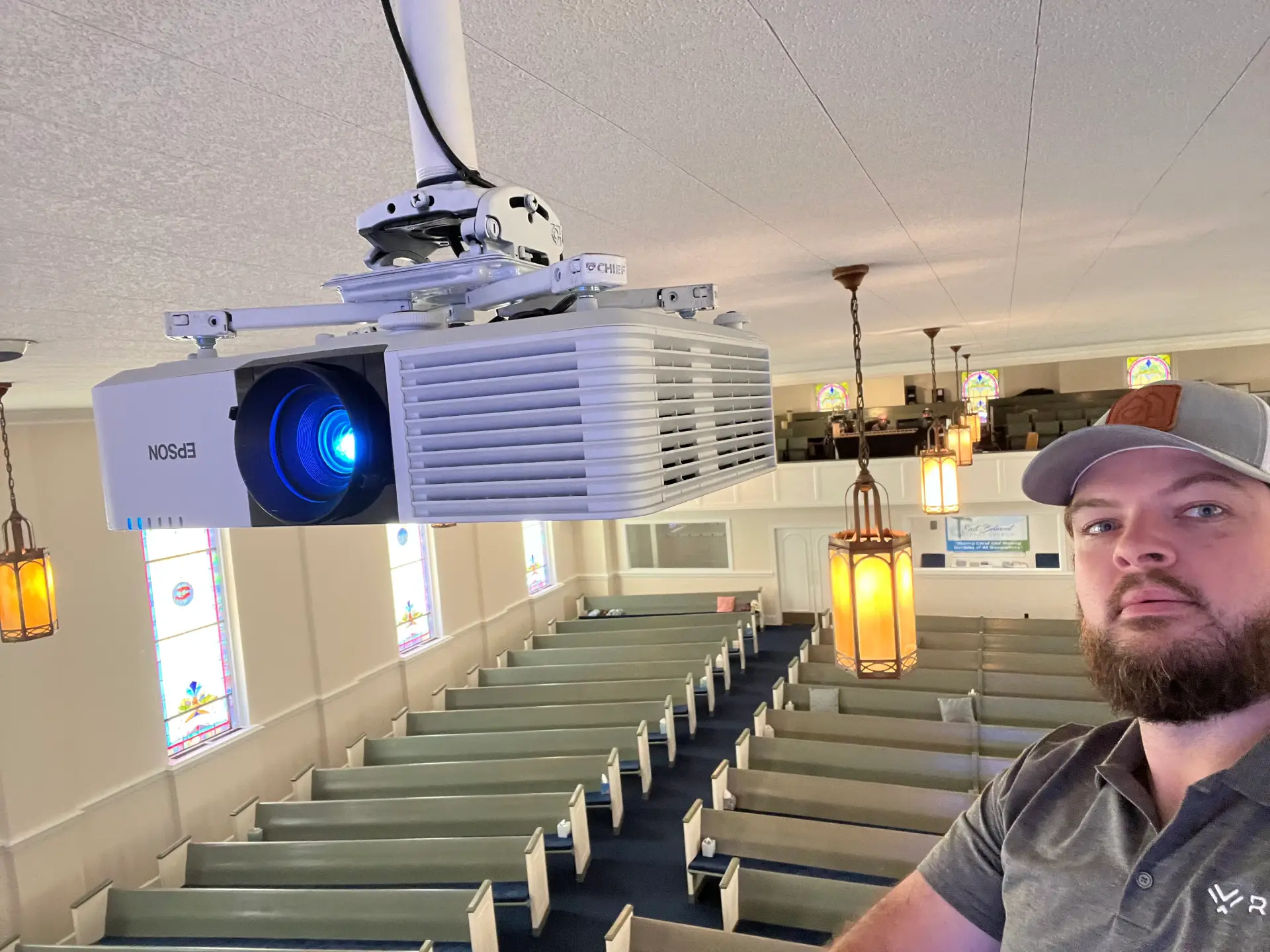
AV support is the ongoing maintenance and troubleshooting that keeps your audio visual systems working reliably. Think of it like having a mechanic for your car – you wouldn't wait until your engine seizes to change the oil, and you shouldn't wait until Sunday morning when nothing works to think about your AV system.
Whether you're running a church, corporate office, or educational facility, your AV equipment needs regular attention to perform when it matters most. The difference between a system that works consistently and one that fails at critical moments usually comes down to whether someone's actively maintaining it.
Why This Actually Matters
I've gotten too many panicked calls from church staff on Saturday night. The worship service is in twelve hours, and suddenly the wireless mics aren't working, the projection system won't display lyrics, or the streaming equipment has stopped functioning.
The worst part? These problems didn't start Saturday night. They'd been building for weeks – a loose cable here, a firmware update needed there, a setting that gradually drifted out of spec. Nobody noticed because everything seemed fine, until it wasn't.
That's the reality of AV systems. They don't fail dramatically. They degrade gradually. A microphone starts cutting out occasionally. Video quality slowly drops. Audio develops a hum that wasn't there before. By the time someone notices, you're already dealing with a problem instead of preventing one.
For churches, these failures happen at the worst possible times. Easter Sunday with 500 people in attendance. Christmas Eve services. The weekend your senior pastor is preaching a particularly important message. For corporate environments, it's the board meeting with executives flying in from across the country, or the client presentation that took weeks to prepare.
What AV Support Actually Includes
Good AV support covers everything your system needs to stay reliable. That means regular inspections, preventative maintenance, software updates, and troubleshooting when issues do arise.
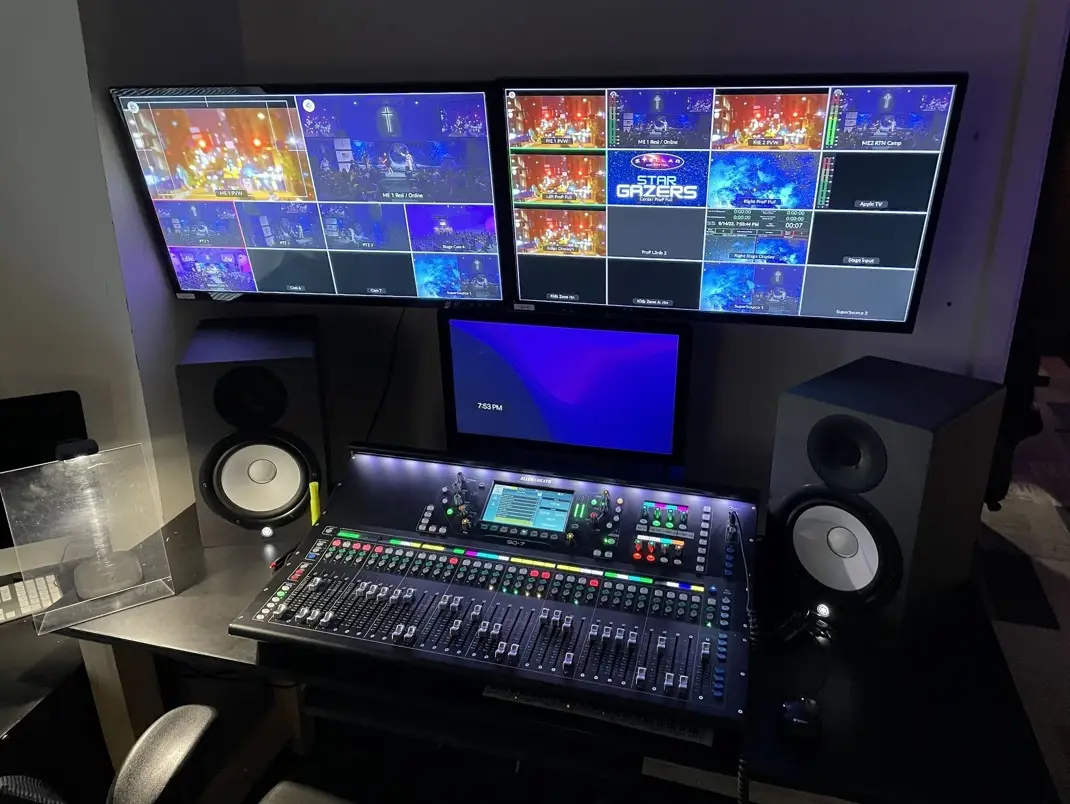
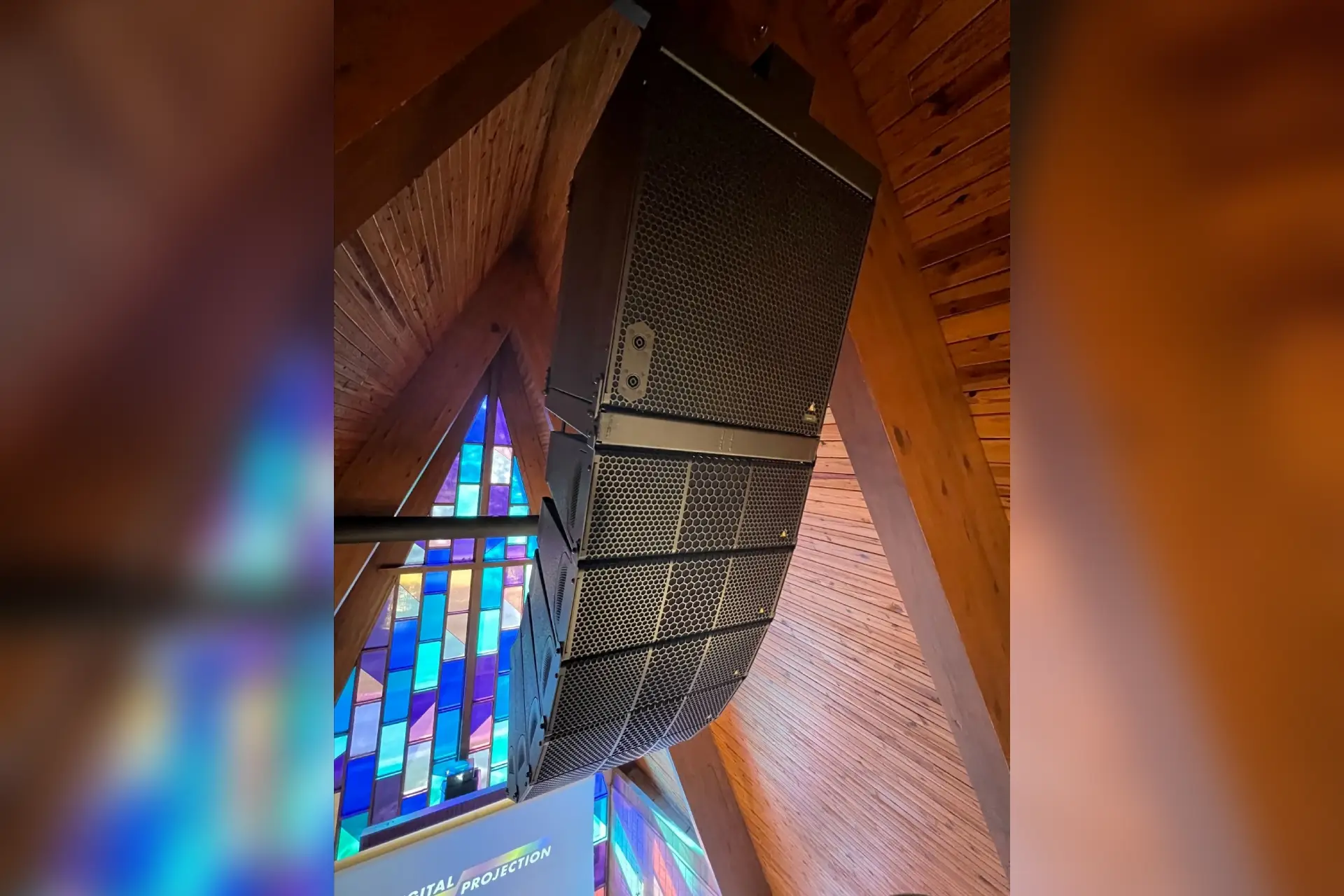
For churches specifically, this includes making sure your worship team's wireless microphones stay interference-free, your projection system displays lyrics clearly every week, your streaming equipment broadcasts reliably to online viewers, and your audio stays balanced whether you have 50 people or 500 in the sanctuary.
Support also means having someone who knows your specific system. They understand how your equipment was installed, how your volunteers operate it, and what settings work best for your space. When something does go wrong, they can diagnose it quickly because they already know your setup.
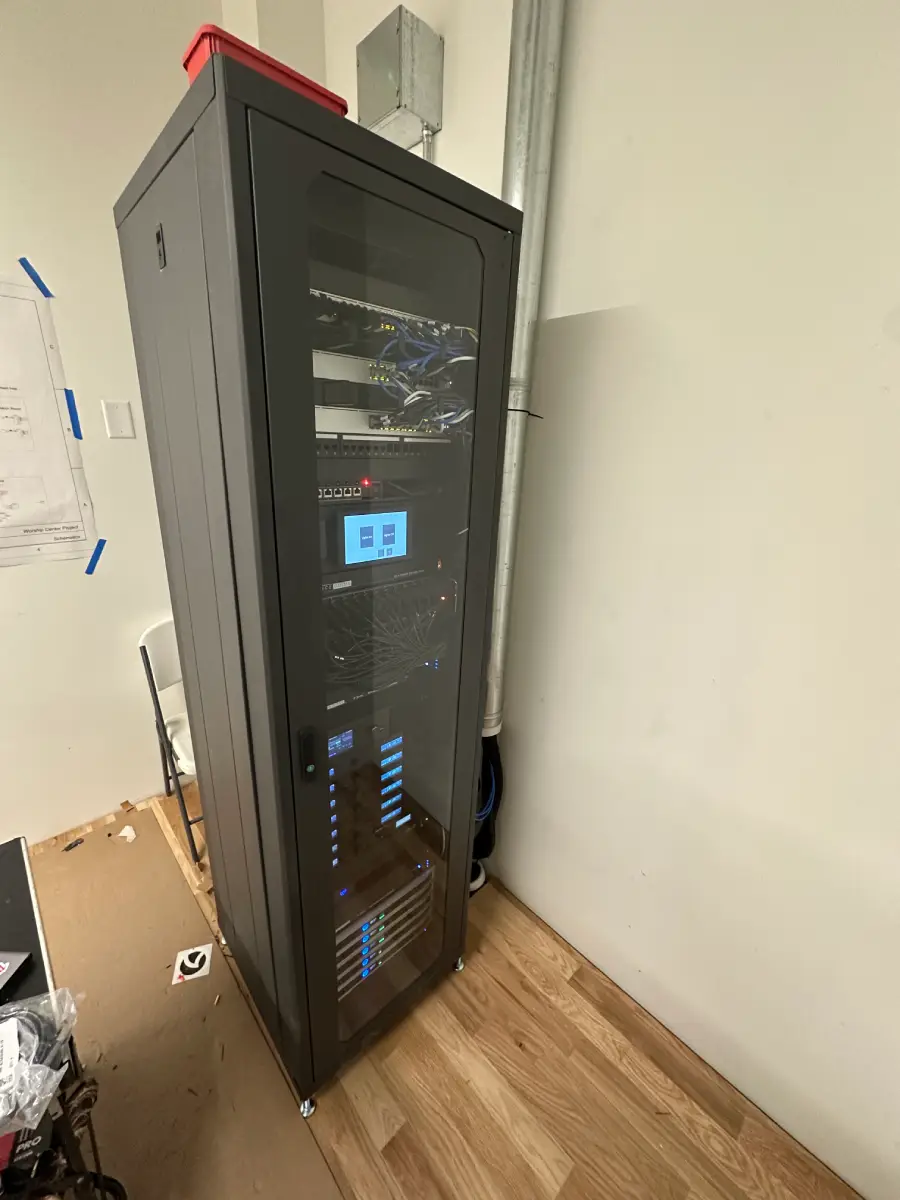
Regular AV system maintenance includes testing all connections, updating firmware when manufacturers release improvements, checking audio levels and video calibration, cleaning equipment, and training your staff or volunteers on proper operation. It's comprehensive attention to everything that affects system performance.
The Difference Between Fixing and Preventing
Most people treat AV maintenance like they treat going to the doctor – wait until something hurts, then try to fix it. The problem with that approach is that by the time the pain shows up, you've already got a bigger problem than you needed to have.
Proactive maintenance means scheduled system checks before problems appear. Your AV technician reviews equipment condition, tests all components, updates software, and catches small issues while they're still small. A cable connection that's starting to come loose gets fixed before it causes audio dropout during worship. A projector bulb that's nearing end-of-life gets replaced on your schedule, not mid-service.
For churches operating on tight budgets, this approach actually saves money. Emergency service calls on Sunday morning cost more than scheduled maintenance visits. Replacing equipment that failed prematurely costs more than extending its life through proper care. And the cost of a disrupted service – especially for special events like Easter or Christmas – can't really be measured in dollars. Regular AV system service protects both your equipment investment and your ability to serve your congregation effectively.
What Churches Need to Know
Churches face unique AV challenges that corporate environments don't typically deal with. You're often relying on volunteers who rotate weekly. Your system needs to work for both intimate midweek gatherings and packed Sunday services. You're probably streaming online, which adds another layer of technical complexity.
Good AV support for churches recognizes these realities. It includes training volunteers on the specific equipment they'll be operating. It means creating simplified workflows so that whoever shows up on Sunday can successfully run sound, video, and streaming. It involves documenting common issues and their solutions so your team can handle minor problems independently.
Understanding church sound systems and how to maintain them is essential for consistent service quality. Your system needs extra attention before Easter, Christmas, and other major events when attendance spikes. Live streaming quality matters more during seasons when regular attendees are traveling and watching from elsewhere.
And churches need someone who responds to weekend emergencies. When your main service is Sunday morning and something fails Saturday night, you can't wait until Monday for a callback. Effective support means having access to help when you actually need it.
Beyond the Sanctuary
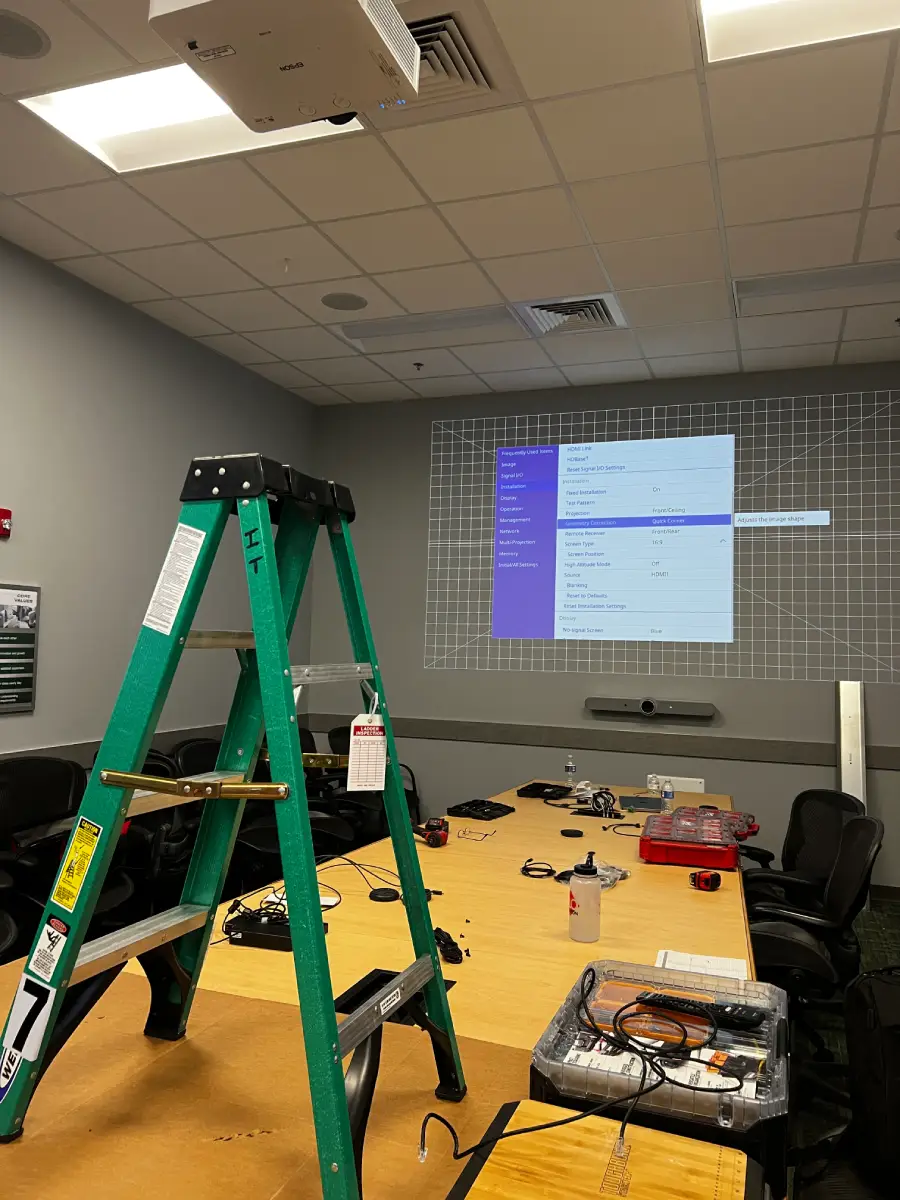
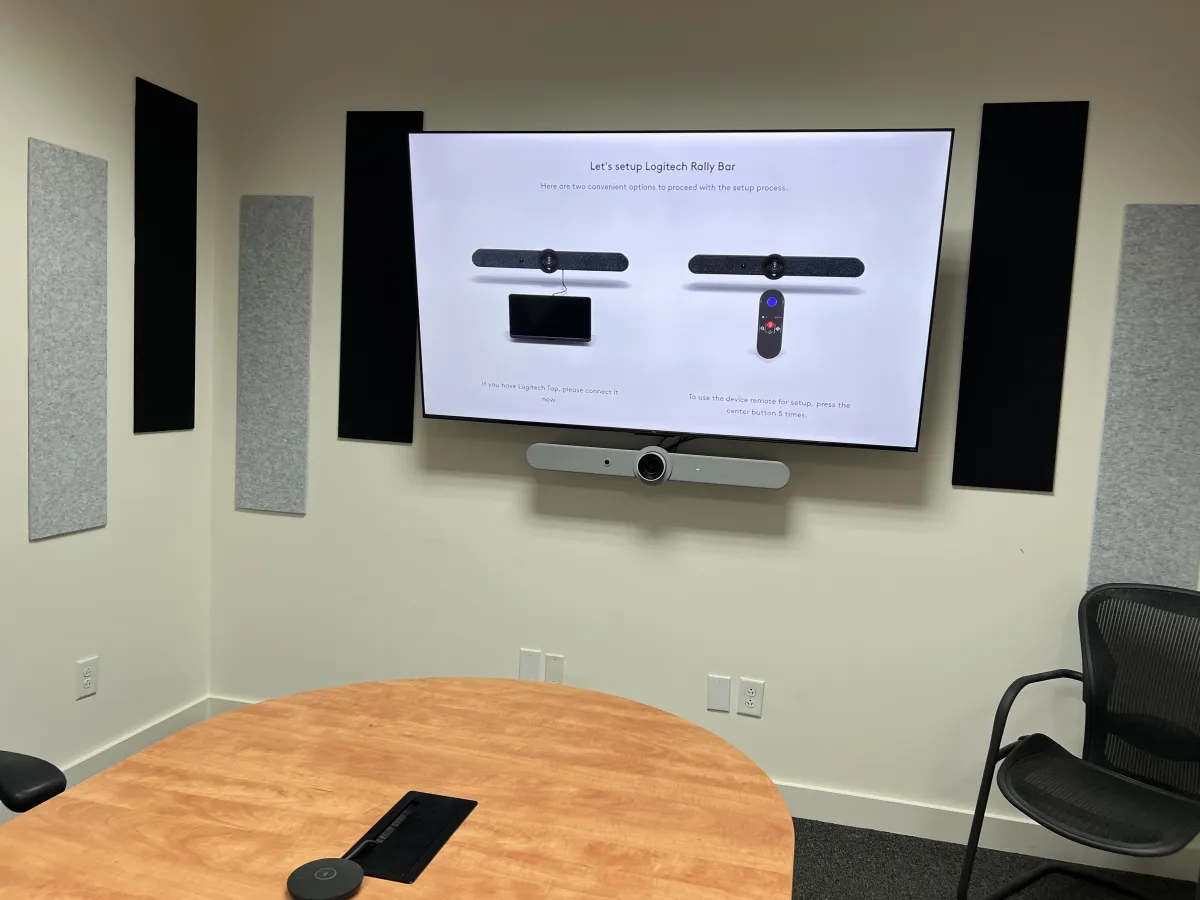
While churches face unique challenges, corporate offices and educational facilities need reliable AV support for different reasons. Conference rooms depend on video conferencing that actually works. Training rooms need displays and audio that don't require troubleshooting before every session. Executive briefing centers can't afford technical difficulties during high-stakes presentations.
The principle remains the same: regular maintenance prevents disruptions. But the focus shifts to different priorities. Corporate environments need network integration, compatibility with various devices, and professional appearance. Educational facilities need durability, ease of use for faculty, and systems that work across multiple rooms.
What to Look for in a Support Partner
Not all AV support is equal. The cheapest option usually means reactive service only – they show up when something breaks. The most expensive doesn't necessarily mean the best fit for your needs.
Look for a partner who understands your specific environment. Church AV support requires different expertise than corporate boardroom support. Your provider should know the equipment you're using, understand your workflow, and communicate clearly about both problems and solutions.
Ask about response times, especially for critical situations. Find out what's included in regular maintenance visits versus what costs extra. Understand how they handle firmware updates and equipment upgrades. Get clarity on whether they provide training for your staff or volunteers.
Most importantly, choose someone who actually cares about your mission. Whether you're running a church, business, or school, your AV system exists to serve a purpose. Your support partner should understand that purpose and work to help you achieve it.
Making Systems Reliable
Your AV system should be something you don't have to think about. It should just work, every time, without drama or emergency calls. That reliability comes from consistent attention – checking connections, updating software, testing equipment, and catching small problems before they become big ones.
Whether you need support for a church sanctuary, corporate conference rooms, or educational facilities, the goal remains the same: technology that serves your mission instead of interrupting it.
At RYGID AV, we understand what it takes to keep commercial AV systems running reliably. If you're dealing with an unreliable system or want to prevent problems before they start, let's talk about our maintenance services and what proper support looks like for your specific situation.
RYGID AV | 122 Backstretch Ln., Mooresville, NC 28117
(980) 263-9194 | info@rygidav.com
.webp)
Recommended articles
Explore our latest news & articles below


Where to Contact + Connect with RYGID AV
Mooresville, NC 28117