
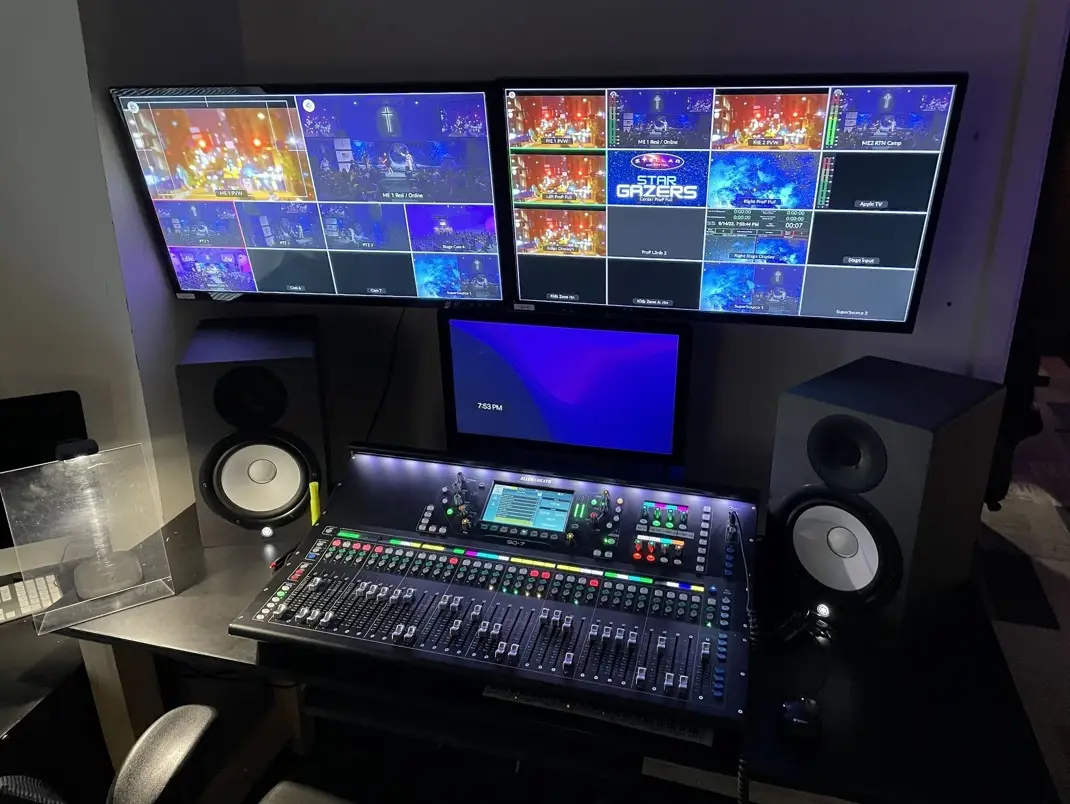
People confuse AV integration and AV installation all the time. Most people outside the AV industry don’t even recognize it. When someone calls looking for ‘AV installation’ for a conference room, by the end of the conversation it is clear that they actually need integration.
Figuring that out is my job, not theirs.
If you're collecting quotes right now, it helps to know the difference, because not every company you call is set up to do both.
What AV Installation Actually Means
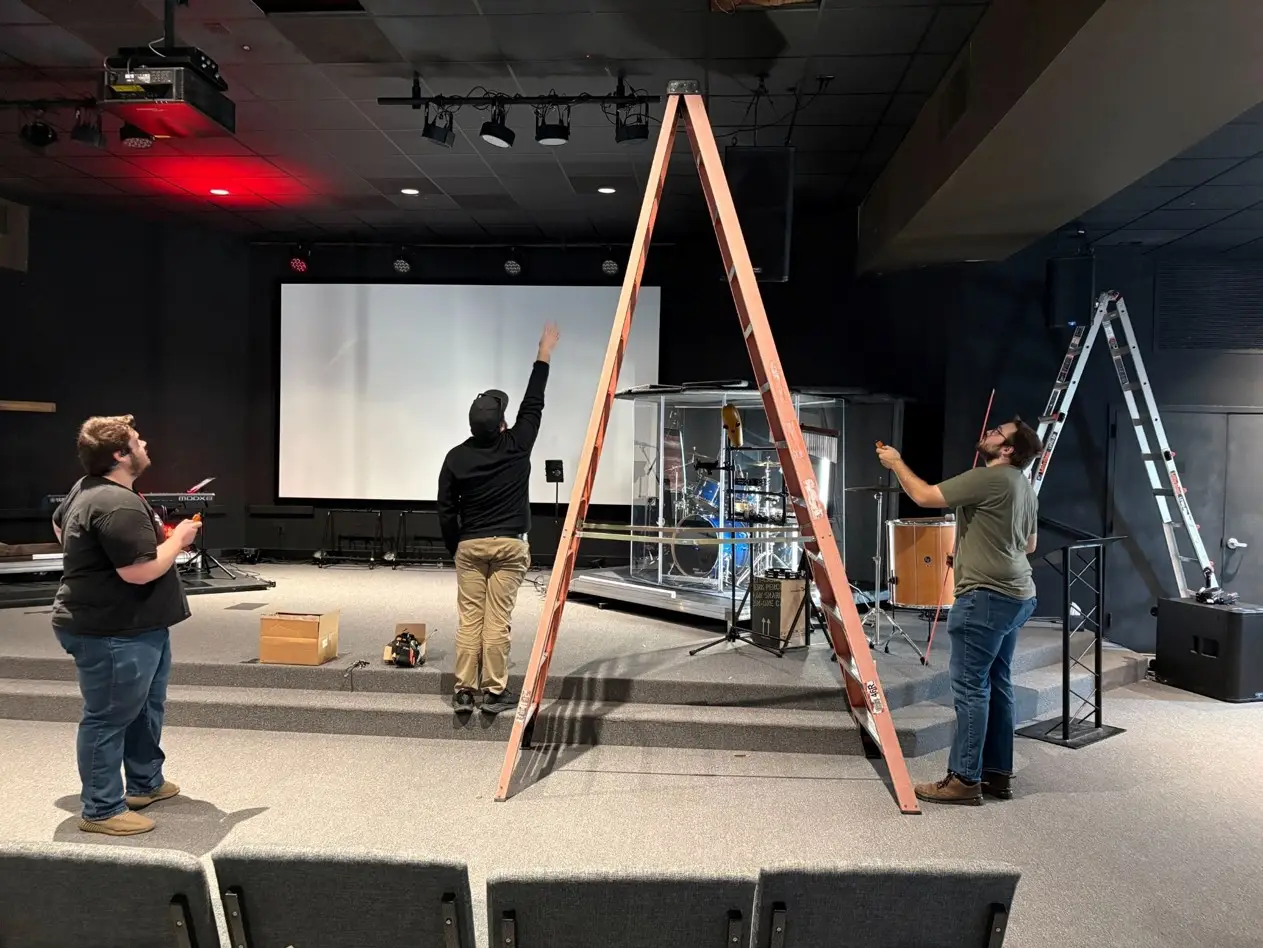
Installation is the physical work of mounting, wiring, and powering on AV equipment.
That means a display going up, cable being run, speakers placed, a camera aimed. At the end of a good installation, every piece of equipment is where it should be, wired correctly, and turns on.
Plenty of jobs really do stop there, and that's not a knock on installation. A single new display going up in a break room, mounted and wired and working, doesn't need anything else done to it. It is a stand-alone piece of equipment that isn’t meant to connect (or integrate) with everything else in the room.
What AV Integration Actually Means
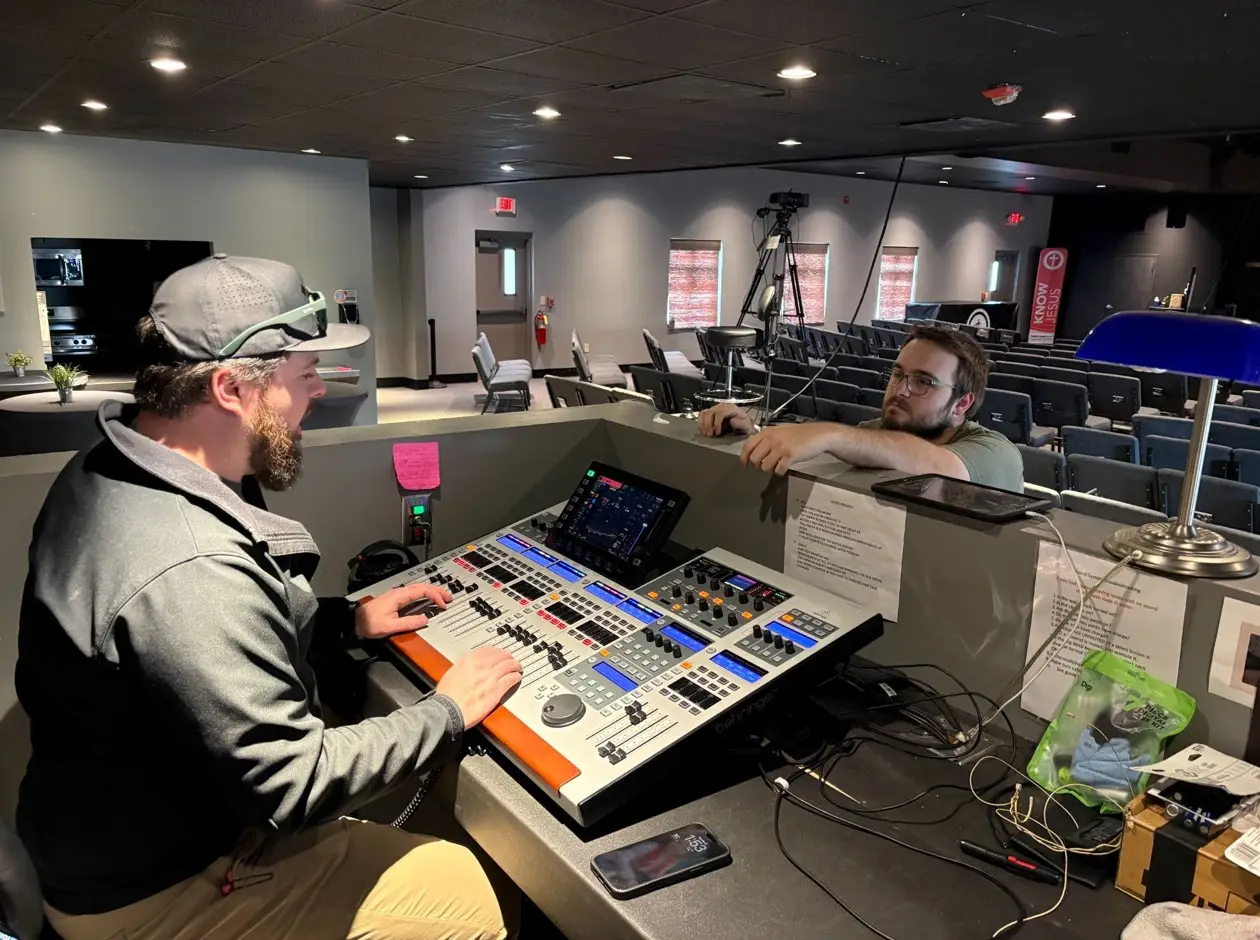
Integration is about intent for interoperability: the work of getting multiple systems to function as one instead of a pile of separate boxes that happen to be plugged in.
That intent doesn't only show up at the beginning of a project. Sometimes integration means designing a new system from scratch so the pieces are chosen to work together from day one. Just as often, it means going into a room full of equipment that already exists, some of it years old, and building the connections and programming that finally get it working as one system. Either way, it's the same job: getting the display, the audio, and the control system to act like one system.
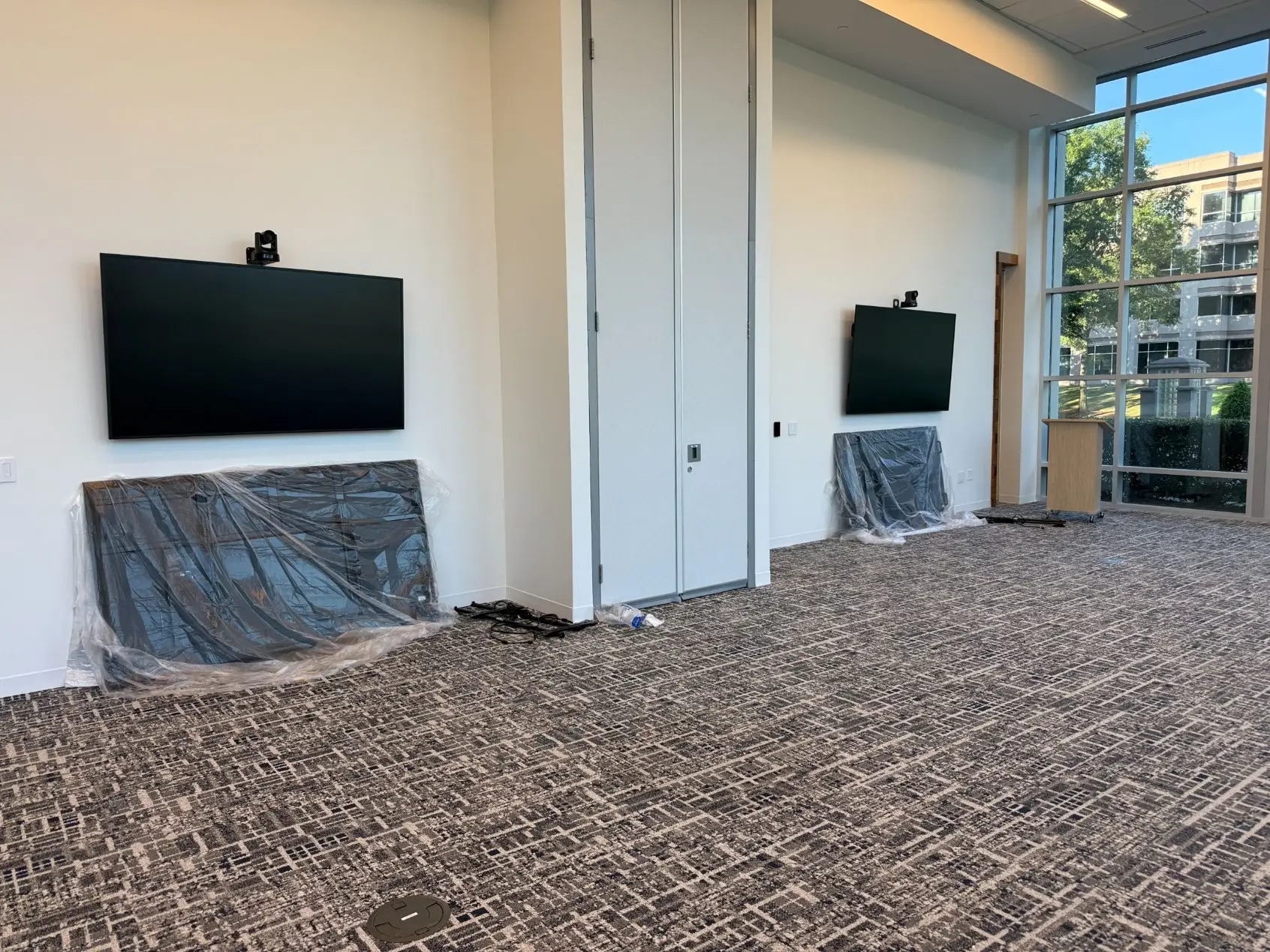
Here's what that looks like: say a conference room gets a new projector to replace an aging one. It gets mounted, wired, and works fine on its own, and it comes with its own remote. Out of the box, that remote controls everything, but it doesn’t automatically talk with the control system the room's speakers already run on. Muting the mic doesn't pause the display's audio, and powering down the projector doesn't touch the sound system, so someone's juggling two remotes for what should be one button. It was installed correctly but never integrated.
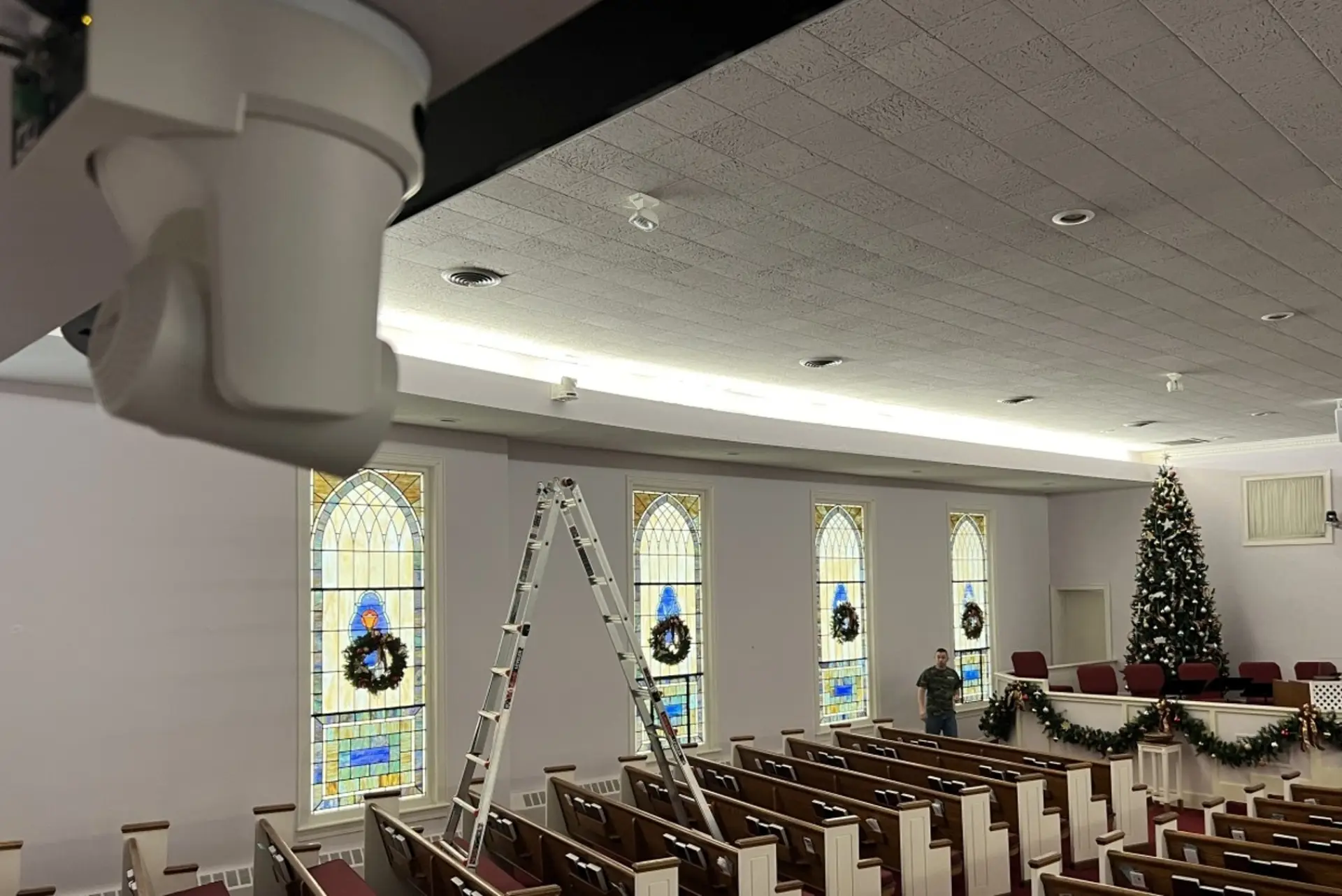
In a church, the more common version is livestream audio. The wireless mics and the sound board get installed and tested and sound great in the room. But if the streaming feed was set up as its own separate system instead of pulling from that same board, the volunteer running sound is now riding two mixes during every service, the room and the stream, because nobody built the connection that would let one system feed both.
Why the Two Get Mixed Up (And Why That's Fine)
Most people don't think in industry terms, and they shouldn't have to. When someone tells me they need "AV installation" for a new system, I ask enough questions to find out whether they need integration or both, since that's just part of hearing someone out. If you've used the wrong word talking to an AV company and they made you feel bad about it, that's on them, not you.
There's another reason the words get muddled, and it's bigger than any one conversation. People tend to say "installation" when they're talking about a home, a home theater, or a home audio setup, and "integration" when they're talking about a business, a school, or a church. It's not a hard rule; plenty of installation happens in offices and churches too, but it's part of why the two words get used so loosely. We don't do residential work at all, so around here, "installation" always means commercial work: mounting and wiring equipment in an office or a sanctuary, never a home theater.
Why the Difference Still Matters When You're Choosing a Company
This is the part that actually affects your wallet: not every AV company that installs equipment can integrate it. It takes a different background and a different skill set, closer to programming and systems design than to mounting hardware, and plenty of companies out there genuinely only do one of the two well.
You don't need to ask a vendor point-blank whether they "do integration." Ask about your actual room instead:
- Will everything run off one remote or one control panel, or will I be juggling separate ones for the display and the audio?
- If I add a microphone or a second screen next year, will it just work with what's already there, or does someone need to come back and reprogram the system?
- If one piece breaks or gets replaced, will fixing it affect anything else in the room?
- Will a volunteer or a new employee be able to run it, or does it take special knowledge?
A company that's thinking about integration will have real answers to all four. A company that only installs might not, and that's worth knowing before you sign anything, not because they've done anything wrong, but because it might not be the job your room actually needs. Add these to the list of what to look for in an AV quote.
Which One Do You Actually Need?
If your project looks like that break room display, one piece of equipment with nothing else to connect it to, you likely just need installation. But if you're outfitting a conference room or a worship space where several systems need to work together, you need integration.
Most projects we take on end up needing both, and that's fine. You don't have to sort out which one before you call; that's what the consultation is for. It just helps to know what to ask.
Not sure which one your project needs, or want a second opinion on a quote you already have? Contact RYGID AV, we're happy to walk your space and tell you straight.
RYGID AV | 122 Backstretch Ln., Mooresville, NC 28117 (980) 263-9194 | info@rygidav.com
.webp)
Recommended articles
Explore our latest news & articles below


Where to Contact + Connect with RYGID AV
Mooresville, NC 28117
Mooresville, NC 28117