
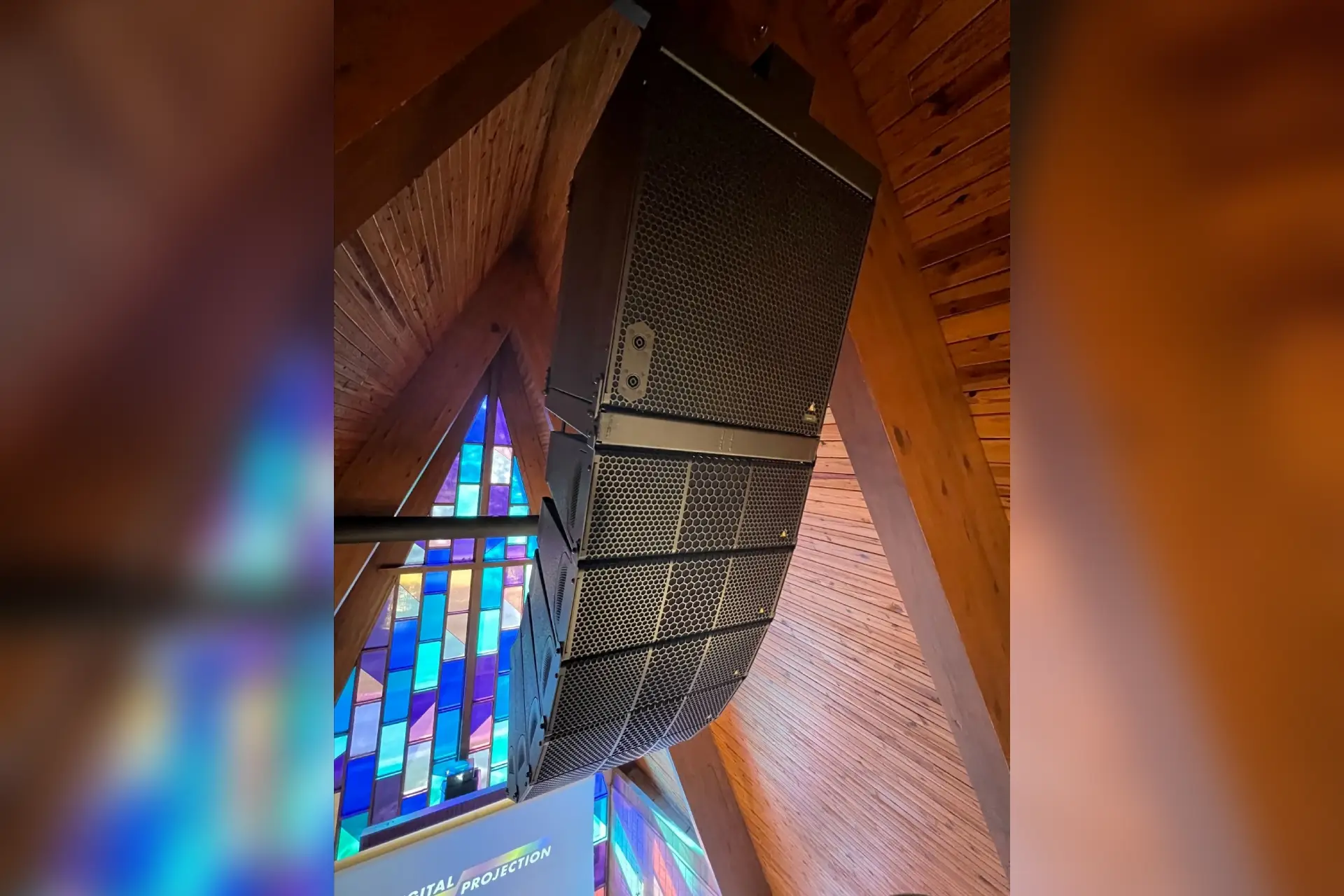
A few weeks ago I pulled the grille off a speaker cabinet during a site visit at a church and found three of the four drivers torn open inside. Folks knew it didn't sound as good as it once did, but it still 'worked' and, from the outside, nothing about it looked wrong.
That's the trap with speakers: a driver can be torn, worn, or barely hanging on, and the box can still put out sound. Speakers are like everything else manufactured; they wear down over time, and the quality of the output decreases. But, like most other things, the quality of the materials, the engineering, and the maintenance can extend that lifespan considerably.
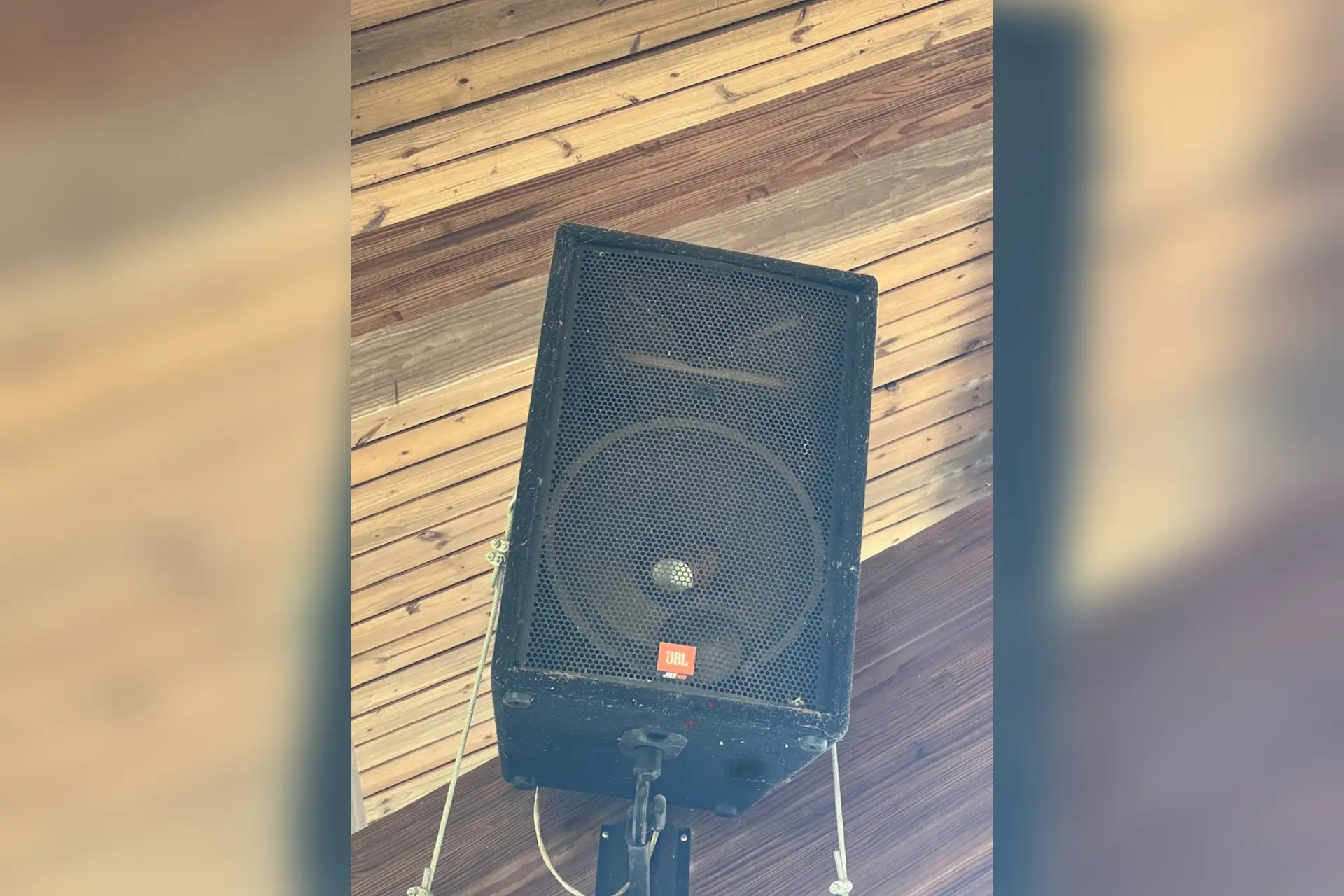
Speakers Wear Out Even If You Never Touch Them
Think of it like a car engine. Eventually, something gives out. Sometimes it's a part you can replace and move on. Sometimes it's the whole thing. Either way, age and use catch up, and a speaker isn't any different.
A few things are working against a speaker the whole time it's sitting in your ceiling or on your wall:
Vibration adds up over years of use, the same way any mechanical part loosens and fatigues. Temperature swings in the room stress the materials, especially in spaces that aren't climate-controlled the same way every day.
A speaker doesn't have to be used to break down. Just sitting causes the materials to age. The foam surrounds and rubber compounds dry out and crack whether the system's been cranked every week or barely touched. The magnets that drive the speaker lose strength over time, too. And the surrounds and cones (the parts that actually move to make sound) tear with age and use, the same way anything that flexes thousands of times eventually gives out.
None of this is anyone’s fault. It means it's a speaker, and speakers have a lifespan.
What Actually Determines How Long That Lifespan Is
Not all speakers wear out at the same rate, and the difference comes down to a few things that aren't obvious from across the room.
Start with whether the components were built to take the environment they're in. A driver that's only ever going to sit in a climate-controlled living room doesn't need to handle the same abuse as one running in a sanctuary. What it's made of matters here. Many speaker drivers use paper, which is fine, but wears faster. Some use Teflon-based materials instead, which hold up considerably better over time.
Then there's assembly. You can put genuinely good components into a poorly assembled cabinet and still end up with a short lifespan. Quality parts don't save you from a rushed build.
And it's not just what's inside the box; it's the box itself. How the cabinet is designed affects noise rejection behind the speaker, which is a big part of what separates a system that sounds clean from one that sounds muddy, even before anything starts wearing out.
The materials, the assembly, the cabinet design all roll up into the same thing: how good the system sounds, both on day one and years later.
What "Built Right" Actually Looks Like
With years of working with audio equipment, we have preferences. Some brands and models have served customers well and are built with integrity.
One example is Adamson. It's one of the top speaker manufacturers in the world, and the difference isn't marketing. Their components are engineered by people whose job is specifically to produce quality sound, not just make sound. There's a real gap between a speaker built to hit a price point and one built by engineers solving for how it actually performs, both today and a decade from now.
That contrasts with the torn driver from earlier: a system that's making noise isn't the same as a system built to last and sound right the whole way through.
Why This Shows Up More in Churches Than Offices
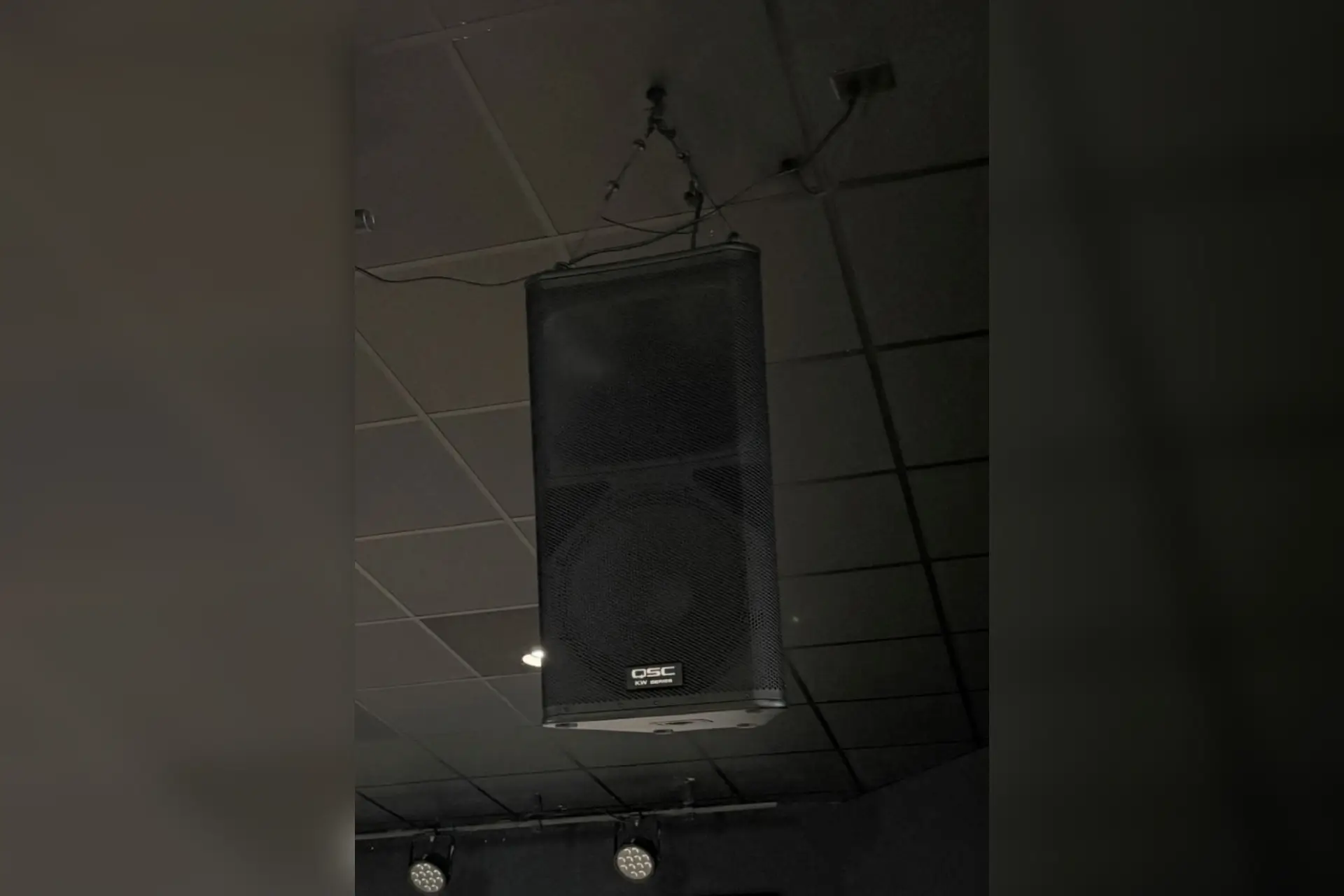
Commercial spaces tend to refresh their AV on a shorter cycle. Churches usually don't. A sanctuary sound system might go 10 or 15 years without anyone thinking about it, as long as it keeps making noise on Sunday morning. That's exactly the environment where a problem like this can sit undetected for years. Nobody's looking for it, because nobody's replacing anything on a schedule.
What To Actually Do About This
I'm not telling you to replace your speakers because they're old. I'm telling you not to assume they're fine just because they're loud enough. A few things worth doing instead:
Have someone actually look behind the grille periodically instead of just listening for problems from the pews. By the time you can hear it, it's usually been degrading for a while. Ask what your system is actually built to handle, and how many years of use that's realistic for, which is a very different conversation from "does it still turn on?" And think about catching this on your terms, during a slow week, instead of finding out during your highest-attendance service of the year, when half your coverage is gone, and you've got a service starting in twenty minutes.
If you're not sure what condition your system is actually in, that's an easy thing for us to check. And if you're already thinking about what you'd replace it with, we've written separately about what actually matters in small church sound systems, and what's not worth the budget.
Not sure what shape your sound system is really in? Contact RYGID AV — we'll take a real look behind the grille, not just listen from the room, and give you a straight answer on what you're working with. If the conversation is bigger than one speaker cabinet, our church AV solutions page is a good place to start.
RYGID AV | 122 Backstretch Ln., Mooresville, NC 28117 (980) 263-9194 | info@rygidav.com
.webp)
Recommended articles
Explore our latest news & articles below


Where to Contact + Connect with RYGID AV
Mooresville, NC 28117
Mooresville, NC 28117